Midterms

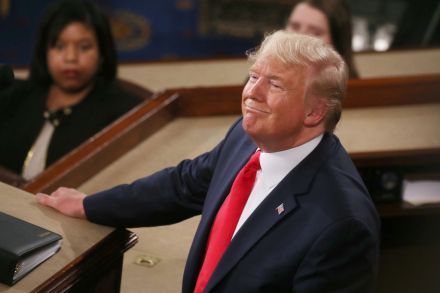
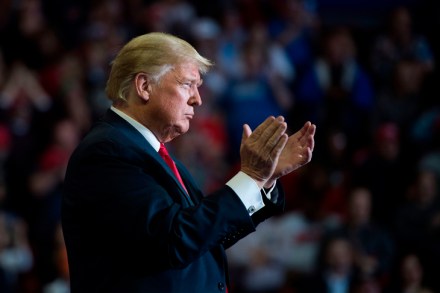
What will Trump say in the State of the Union address?

When President Trump speaks to Congress and the nation Tuesday night he will follow several familiar tropes. Like a long line of presidents before him, Trump will say the state of the union is great and take full credit for it. They all say that, unless we are in a recession or at war. They typically add that everything is getting better, too, thanks to their wise policies. In a nod to the next election, they warn voters that the only thing stopping our country from reaching even greater heights is the mule-headed opposition of the opposing party and a few Supreme Court Justices. What differs each year are the specifics. This time, Trump is likely to focus on three topics that will move voters this November: the economy, including jobs, taxes, and inflation; illegal immigration; and Iran. The economy dominates voters’ choices in

State of the Union

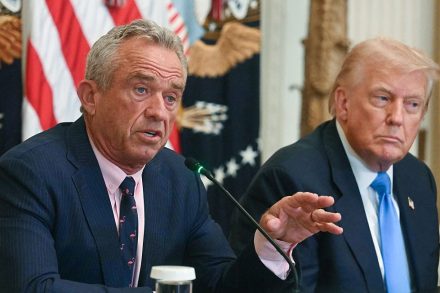
Democrats are ill-advised to target MAHA in the midterms

In the unforgiving arena of American politics, few patterns are as reliable as the midterm election bloodbath for the party holding the White House. And this year Democrats are trying to capitalize on the midterm curse by fielding 150 candidates from medical and scientific backgrounds. All have entered the fray since Robert F. Kennedy Jr. was appointed Secretary of Health and Human Services and are putting his Make America Healthy Again (MAHA) on the ballot. In particular, his vaccine reform program. Yet, a major driver of the rise of MAHA can be directly attributed to the Biden administration’s disastrous handling of Covid, when Democrats in power contorted science to fit

Trump MAHA

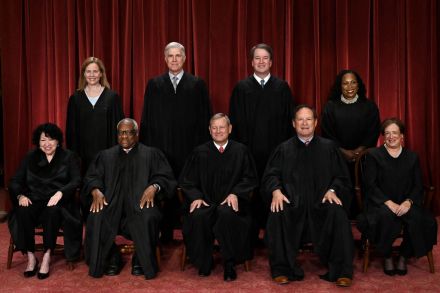
How the Supreme Court could sway the midterms

Each Supreme Court term typically includes at least one explosive case that inflames political passions and captures the public imagination. When the court overturned Roe v. Wade in 2022, or when it greatly broadened presidential immunity, as it did last year in Trump v. the United States, or when it ruled against race-based college admissions in 2023, it reaffirmed its centrality and reminded voters that it mattered. As it happens, very few Americans can name the chief justice of the Supreme Court of the United States (surveys show it is consistently under 16 percent), but most know instinctively the high court’s opinions deeply impact governance, politics and culture. Before the

Supreme Court