Middle east

How Lebanon unravelled

From our UK edition

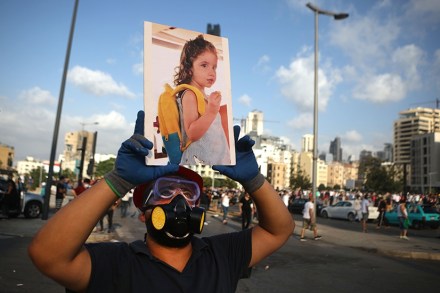
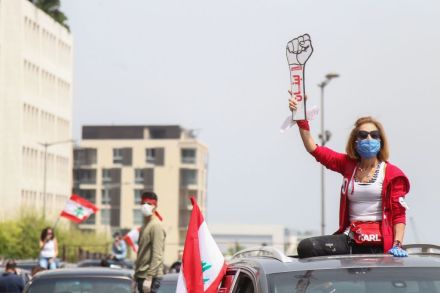
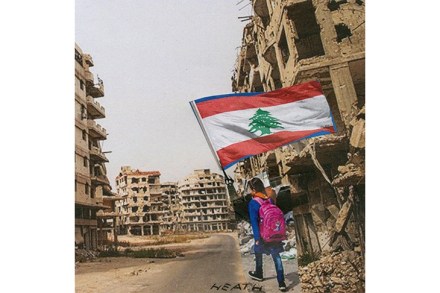
Lebanon will be 100 years old on 1 September. But the joke circulating in Beirut is that the country may not be around for the party. Eye-watering hyper-inflation, not helped by the Covid pandemic, has brought the country to its knees, just as famine and extreme poverty sparked its creation after the end of the Great War. Lebanon eventually won full independence from the French in 1943, and became an impossibly glamorous, multilingual entrepôt with a rare facility for doing business. According to Major General Sir Edward Spears, the British minister to Syria and Lebanon, the country ‘sprang from a far older and higher’ civilisation than the French. Even so, it has always had a tendency towards self-destruction.

Could the Covid crash spark another Arab Spring?

From our UK edition

They said we were going to uncouple from the Middle East. Barack Obama, they said, was going to pivot to Asia. Donald Trump was, finally, going to get the United States the hell out of there. Intellectually, politically and, most importantly of all, militarily, we were going to put this most vexatious of regions behind us. It was, they assured us, a new day. They were wrong. Obama was drawn back in by his desire to strike a nuclear deal with Iran. Trump talked a good isolationist game but then droned Qasem Soleimani in Baghdad. Now we are in the midst of a coronavirus-induced oil crash. Now the Middle East squats in our living rooms once more. Now, it seems, the bad times are here again. On Monday the price of oil hit $0.

Will coronavirus lead to a US war with Iran?

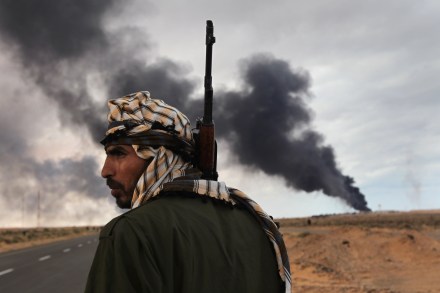
In a roundabout way, coronavirus may have been responsible for the deaths of two American service personnel and a British soldier in a rocket attack in Iraq on Wednesday. This triggered a prompt US military retaliation — American forces launched strikes at five sites in the early hours of this morning — and the prospect now is of an escalation while the rest of the world is consumed with a global health crisis. What's going on? It was Gen. Qasem Soleimani’s birthday on Wednesday and a Shiite militia — probably Kataib Hezbollah — chose to mark the occasion by firing Katusha rockets at Camp Taji, the US base just north of Baghdad.

war with iran coronavirus

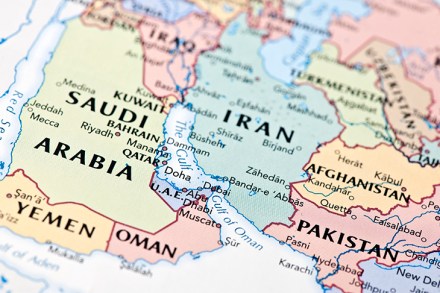
All forecasts are off if Iran shuts the Strait of Hormuz

Just when you thought it was safe to go back in the water…late last year, a range of forecasts suggested that the likelihood of recession in the US, with knock-on effects for the rest of the developed world, had significantly diminished. Last summer, many economists were putting the chance of a substantial downturn at 50 percent but by November, Goldman Sachs had marked it down to 24 percent and Morgan Stanley to ‘around 20 percent’. Underlying this shift were strong corporate earnings and consumer spending, plus rising hopes of a settlement of US-China trade tensions. Last month saw a sell-off of safety-first government bonds reflecting the mood, and the FT’s end-of-year forecasts included a confident ‘No’ to ‘Will the US go into recession?

hormuz

Donald Trump and the unreality of a two-state solution

The AIPAC conference, that annual celebration of the triangular romance between America, Israel and American Jews, concluded last night with the traditional protestations of undying love, democratic compatibility and common values. Meanwhile, AIPAC’s identity crisis deepens, and a redefinition of the goals of the American-Israeli relationship looms. AIPAC is studiously bipartisan, but the maladroit policies of the Bush and Obama administrations and the rightward turn of Israeli politics since the Second Intifada have made Israel a partisan issue in American politics. A recent Pew survey found more polarization than at any point in the last four decades: 79% of Republicans sided with Israel, but only 27% of Democrats.

donald trump foreign policy

Why Bibi ♥ Trump

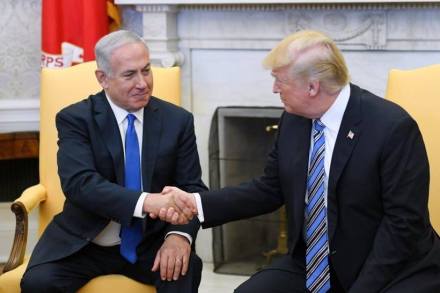
Not many world leaders can claim to be on friendly personal terms with Donald Trump. There are fewer still who would regard a visit to this particular president’s White House as a crowning achievement, and one which would increase their popularity at home rather than being seen as a moral failing. So the lesson of Benjamin Netanyahu’s triumphant meeting with the US president deserves particular scrutiny for having jumped all these hurdles. Admittedly, it helps to be a right wing Israeli Prime Minister at a time of Republican ascendancy. Netanyahu’s relationship with Barack Obama was famously abrasive. Any successor was bound to be an improvement, even if the strong US-Israel relationship goes far deeper than the Presidential level.