Michel de Montaigne

The problem with Pascal’s wager

From our UK edition

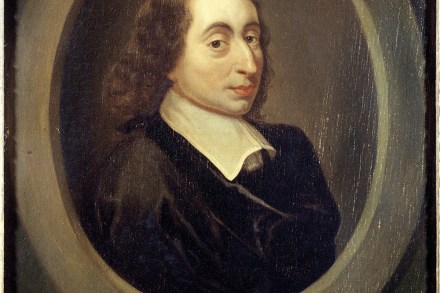
Blaise Pascal resists definition. During a short life (he died in 1662, aged 39) he invented the calculator, laid the foundations for probability theory and created the first public transport system. He was also an austere Catholic, whose call for a return to strict Augustinian doctrines put him outside the religious mainstream. As a philosopher, he is remembered today for his ‘wager’ argument – a challenge to atheists, framed as a cosmic gamble. As Graham Tomlin shows in this lively, conversational biography, Pascal worked in threes, often steering a course between extremes.
The lockdown list: books to read during quarantine

Now we’ve got time on our freshly cleaned hands, The Spectator’s literary luminaries are lubricating the wheels on time’s wingèd chariot and seizing the chance to boost their morale and brain function, reflect on the meaning of life and catch up on a good book or six. Each day, the Lockdown List carries our bibliophilic recommendations. Day 74: Indian summerRoss Clark The success of Black Lives Matter has deflected attention from a group which has no less a cause for grievance over its treatment throughout US history: native Americans. Indeed, to this day Native Americans, thousand for thousand, have an even greater chance of being killed by police officers as do African Americans.

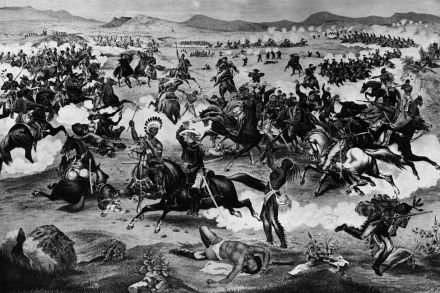
custer