What is the point of the George R.R. Martin extended universe?
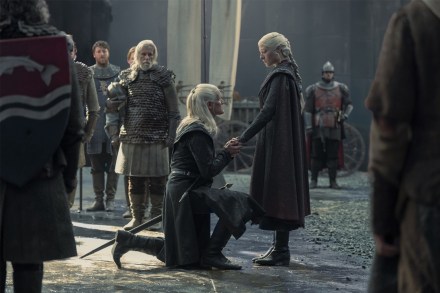
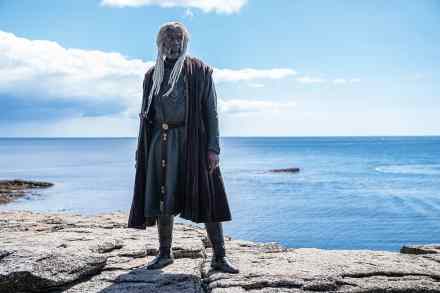
And so House of the Dragon has come to the end of its second season. It is fair to say that, for all the intrigue and fruity British character actors on screen (first place as far as I’m concerned: the great Simon Russell Beale as Ser Simon Strong, “the only gentleman in an ungentlemanly world”), the series is still finding its feet and has yet to provide the visceral thrills that might be expected of it. As my esteemed colleague Matt McDonald described it, “the second season was basically all foreplay. The first season ended with ‘wow, they’re about to fight some dragons.’ Then this season ends after one dragon fight and the promise ‘oh wow, now they’re really going to fight some dragons.’” There are undoubted improvements in this more confident second outing.