Manners

Dear Mary: Should I tell my friend that his expensive lunch made me ill?

From our UK edition

Q. I see a lot of two of our grandchildren because they live in our London house. We are centrally located so we see a lot of their friends, too. Our grand-children are well-mannered but conversation is always stalling because of their refusal to allow me to use shorthand to identify the friend being discussed e.g. ‘the fat one’. I do not intend to offend — they’re just shortcuts that people of my age group (70+) use when we can’t remember anyone’s name, let alone the names of our grandchildren’s friends. If I have to ask, for example, ‘Was Eric the boy in the Star Wars hoodie who ate crumpets last Tuesday?’ — rather than ‘Is Eric the fat boy?’ — dialogue becomes clunky. How can we break this impasse?

How Emily Post taught the elite to greet

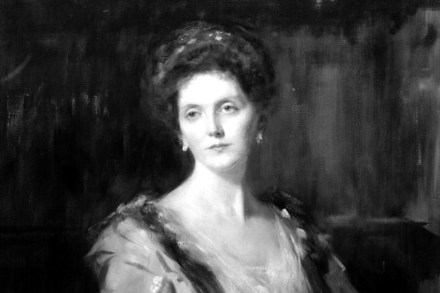
This weekend, Emily Post, born Emily Price, turns 147. Born in October of 1872 to an affluent Maryland family, her life from the start was governed by the rituals of privilege and dictated by decorum — balls, cotillion, dinner parties, calling cards, and all the other occasions and duties one can find advice about in her 1922 Etiquette in Society, in Business, in Politics, and at Home. Etiquette was the book that made her famous, and ensured her name would be forever synonymous with seemingly tedious and elite manners.

emily post

The Farm Stand Test

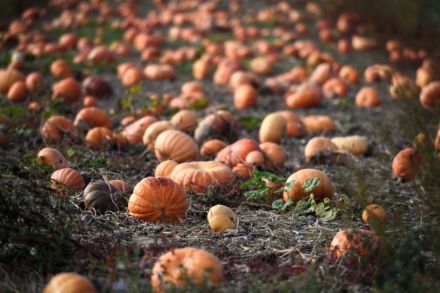
Tall and thin — a little stooped, his moustache and the thatch of his hair starting to show a little white — Lowell Gerry was putting out pumpkins this past week. Dozens and dozens of the things: round ones and flattened ovals. Bright orange ones, as neon as DayGlo, and deeper colours edging toward a reddish brown. A range of albino pumpkins, too, like pale sickly ghosts. Like vegetable lepers. They seem to sell fairly well. Last Tuesday, before the first snow dusted eastern South Dakota over the weekend, two or three other shoppers stopped by in the 15 minutes I was there to look for a few of the harvest’s last green tomatoes. It’s Halloween, of course, that incites the pumpkin fervour. The town of Madison is not exactly tiny, by rural standards.

farm stand test

In praise of Midwestern manners

Chris Francis stopped by my table down at the Sundog coffee shop to chat for about 20 minutes last Friday, and he didn’t ask for my vote. Now, in the give and take of daily conversation — the ebb and flow of coffee-shop chatter in a small Midwestern town — lots of people don’t canvass for votes. But Chris is a Democratic candidate for one of the District 8 seats in the state legislature here in South Dakota, and he’s going to need all the support he can get when election day comes in November. The reason Chris didn’t ask may be that he assumed I already planned to vote against him, although I’ve only met the man once or twice when I stopped by the Brickhouse, the local arts centre he runs.

chris francis south dakota midwestern manners

The short step from good manners to lofty imperialism

In the gap between what we feel ourselves to be and what we imagine we might in different circumstances become, lies civility. Keith Thomas’s marvellous new book addresses the subject of ideal behaviour. It shows the way that early modern England formed notions of civilisation and proper conduct, in contrast to what was termed ‘the Other’. These alternative people were labelled ‘barbarians’ or ‘savages’ when found abroad or on the Celtic fringe. If the unacceptable was found within England, rural or impoverished, they would be called ‘clowns’ or ‘clodhoppers’.