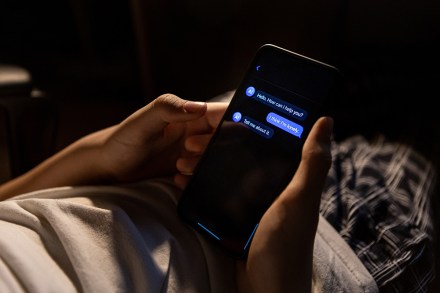
How can we fool ourselves that chatbots feel anything for us?
From our UK edition
Imagine that a good friend of yours has fallen for a psychopath, a man or woman who seems superficially charming but you know to be controlling and cruel. The friend, reluctant to face reality, says: ‘Just give them time, they had a tricky childhood, they’ll change.’ Do you say: ‘Yes friend, hang in there’? No you don’t. You say: ‘Run for the hills, friend.’ Caring for someone who can’t care back, whose interest is only in exploiting you, is a mug’s game. So why – and several times in the course of reading Sherry Turkle’s Artificial Intimacy I put the book aside to blink and wonder – have we entangled ourselves so readily and intimately with uncaring AI?