Lying

Why we must forgive Immanuel Kant his misogyny and racism

From our UK edition

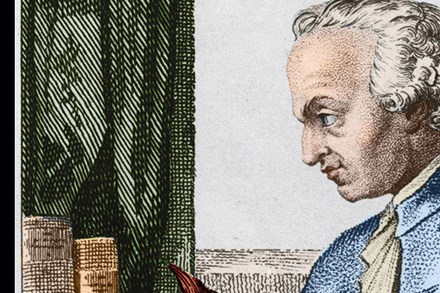
If the only story you’ve heard about Immanuel Kant’s life is that it was so regular that the citizens of Königsberg (now Kaliningrad) would set their watch by his daily walk, then this book has much to teach you. In fact the provenance of this oft repeated anecdote is an essay by the German poet Heinrich Heine, who, far from being an eyewitness, had never even met Kant: ‘Everything had its set time, and the neighbours knew that it was exactly half past three when Immanuel Kant, in his grey frock coat, rattan cane in hand, emerged from his front door.’ The Kant that emerges from these pages is less dull and more recognisably human than his metronomic image. He played billiards, gambled and socialised with the great and good of Königsberg.

Magic and the art of lying

From our UK edition

Talking to a former politician about lying felt very appropriate. It was during one of my ‘Magical Thinking’ sessions, a corporate team-building event I run in which I perform close-up magic tricks and the participants try to work out how they’re being done. Among those at this session was Anne-Marie Trevelyan, who had initially been baffled by a particular mentalism effect. She thought of a day of the week, then a month of the year and finally a playing card, and my guesses on all three proved correct. Every possible route by which I could have cheated seemed blocked off – but Anne-Marie was brilliant at responding to my hints (part of the process, of course), and gradually she led the team towards the solution. The moment it dawned on her how the trick worked was wonderful.

Aunt Munca’s murky past

From our UK edition

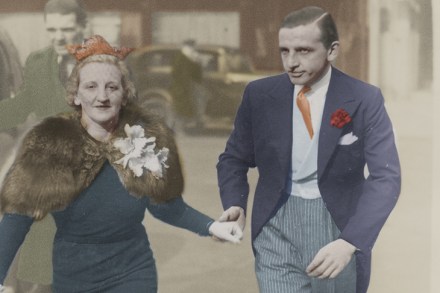
Kiss Myself Goodbye. It sounds a bit like a William Boyd novel. It looks likea William Boyd novel, too: the cover shows an old hand-coloured photograph of a fur-stoled woman, determinedly leading a man in morning dress towards the camera. And, indeed, the raw material would likely make a very good William Boyd novel — only Boyd would have to jettison at least half of the breakneck hairpin bends in the mad, mazy plot for the sake of believability. This could be the ultimate case of a tale too strange to be fiction. Ferdinand Mount has crafted the perfect, custom-made receptacle for his extraordinary story. The (anti)-hero is the millionairess Aunt Munca, self-named after the mouse in the Beatrix Potter story. It turns out to be just one of her many names and identities.