Ludwig Wittgenstein

Road-tripping with Wittgenstein

North Carolina The ancients used the sun and moon to measure time, but modern man has a more exact instrument at his disposal: the odometer. It has ticked up a thousand-plus miles, a sure sign the 2024 holiday season has just ended. The children are all struggling in the backseat — against one another, their own bladders and the nylon straps the Car Seat Cartel has foisted upon them — and are thus unable to see the dash’s mileage ticker, as well as the incriminating orange “service reminder” messages your wife is pretending to ignore. When you read aloud the “Welcome to North Carolina” sign, your most intelligent child says, “Are we still in the United States?
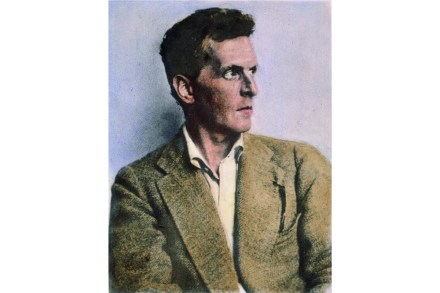
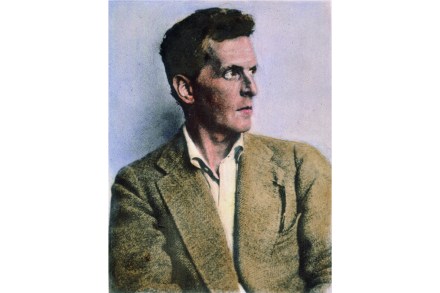
Wittgenstein

A private life

When Ludwig Wittgenstein died in 1951, he had only published one book — the Tractatus Logico-Philosophicus, which was first translated into English in 1922 (with an introduction by Wittgenstein’s former professor and mentor Bertrand Russell, to which Wittgenstein strongly objected). Philosophical Investigations, which Wittgenstein was working on at the time of his death, was published in 1953. His wartime notebooks, which he kept between 1914 and 1916, appeared in 1961. These are important. The Tractatus is famously dense, being composed of a series of statements on the relationship between words and objects and the nature of knowledge. The notebooks provide a clearer sense of the problem Wittgenstein was trying to solve and the progression of his thought.

wittgenstein