Love in the Time of Cholera

Gabriel García Márquez’s posthumously published novel is unconvincing

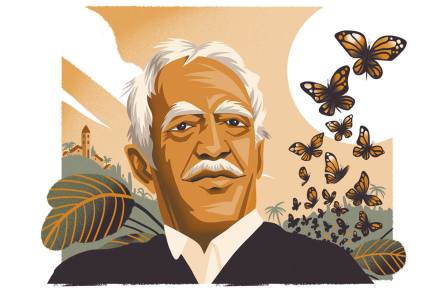
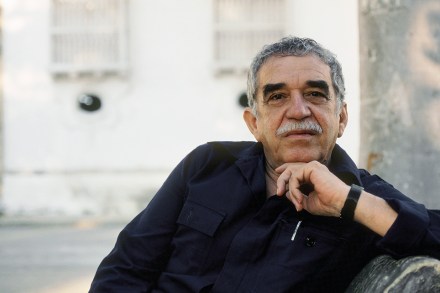
Love and loneliness. Loneliness and love. These two motifs, these two codependent deities, underpin all of grand maestro Gabriel García Márquez’s fiction — from his bewitching magnum opus One Hundred Years of Solitude to the tumultuous romance of Love in the Time of Cholera. His final sultry, sun-soaked and unexpected work, Until August, which he attempted to complete while struggling with dementia, is a continuation of these oeuvre-defining themes. It’s a damn shame it’s half-baked. The circumstances under which Until August came to be written might, themselves, one day make a rather droll short story, perhaps even a sparky novella.
Until August

Garbriel García Márquez has been ill-served by his sons

From our UK edition

I blame Kafka. When he died in 1924, the vast majority of his imaginative work remained unpublished, including three novels and a substantial number of remarkable short stories. He left instructions, however, for Max Brod, his literary executor, that all his unpublished work should be destroyed. Brod ignored this, and brought some classics of German literature into print after the author’s death. He sensibly concluded that if Kafka had been serious about wanting his work destroyed he wouldn’t have appointed Brod as literary executor in the first place. Much of the story seems like something that floated into Márquez’s head and then drifted off The case was a good one; but it has undoubtedly had some ugly consequences.