Louis armstrong

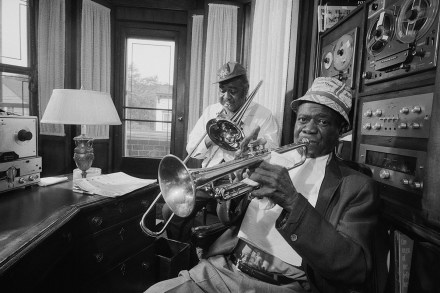
A visit to Louis Armstrong’s old home

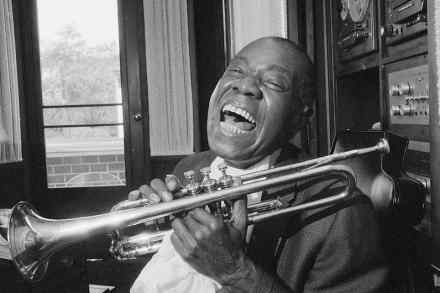
The New York Times recently started a new series about introducing a friend to jazz in five minutes with a tribute to Duke Ellington. In many ways, Ellington is a sound choice. He was the bandleader par excellence, a brilliantly inventive composer who formed much of the modern jazz vocabulary. But matters can’t rest there. In any assessment of jazz’s founding fathers, Louis Armstrong has to stand as the most influential figure. Both his trumpet and voice are simply inimitable. A recent visit to his modest home, which is now a museum, during a trip to New York with my family offered a reminder of the magnetic attraction Armstrong continues to exert.
armstrong

When did cheerfulness get so miserable?

From our UK edition

We’ve all met the sort of facetious oaf who orders any non-giggling woman to ‘Cheer up, love, it might never happen’. As Timothy Hampton grasps, enforced cheeriness feels about as much fun as compulsory games. His invigorating book about the quest for true cheerfulness in literature and philosophy dismantles the various ‘prosthetic or counterfeit’ versions of the real thing that bullies, bosses, self-help gurus and household tyrants inflict on their victims. Jane Austen’s heroines, as he shows, chafe against the elevation of cheerfulness into a ‘social norm’. It suffocates them like stays: ‘Thou shalt be cheerful, at least if thou art woman.’ For sound reasons, the prospect of cheerfulness fails to gladden many modern hearts.

Would be much better without Bill or Ted: Bill & Ted Face the Music reviewed

From our UK edition

I think I am supposed to say that Bill & Ted Face the Music, the third in a franchise about two Californian morons who time travel to save the world, is a harmless satire on American teenage good-naturedness and stupidity. I’m not sure about that: I think it is more likely evidence of what American cinema has done to the American mind since Jaws turned the B-list film into the A-list film, and vice-versa. Its heinous. The premise is: creatures of the future decided long ago (in 1989) that Bill and Ted would one day write a song that would heal reality.