Alas, ‘alas’ is losing its irony
From our UK edition
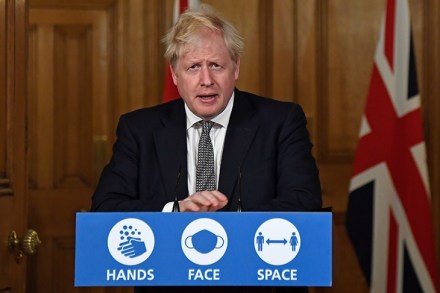
Boris Johnson looked unhappy, as well he might, standing at his indoor lectern last Saturday to announce the new lockdown: ‘In this country, alas, as across much of Europe, the virus is spreading.’ He said alas a couple more times during the conference. Normally such a word belongs to the sprinkling of slightly absurd phrases that garnish his speech like particularly curly parsley. But, Ichabod, the fun has departed. Alas, there is less and less irony in saying alas. The Prime Minister is doubtless aware of the classical origin of alas in lassitudo, Latin for weariness. Lassitude came into English in the 16th century. Francis Bacon, the Jacobean Lord Chancellor, not the masochistic painter, wrote: ‘Lassitude is remedied by bathing or anointing with oil and warm water.