Jules Verne

The enduring lure of Atlantis

From our UK edition

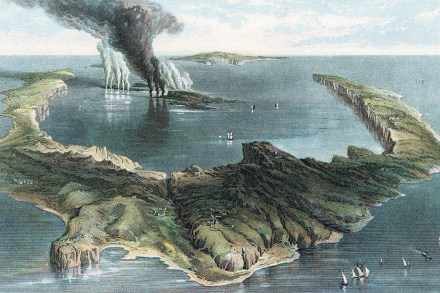
When you picture Atlantis, what do you see? For most people, this mythic city is a classical arcadia sunk beneath the sea – fallen columns, shattered arches and perhaps even an aqueduct. But that is not the place described by Plato, the original source of the Atlantis myth. His version consists of an immense Atlantic island, many millennia older than the Egyptian and Babylonian empires. The popular image of Atlantis was created by Jules Verne in Twenty Thousand Leagues Under the Sea. When that novel’s narrator, Professor Pierre Aronnax, joins Captain Nemo on his underwater exploration, they encounter a ruined city. He notices temples and even ‘the floating outline of a Parthenon’.
Around and around the world

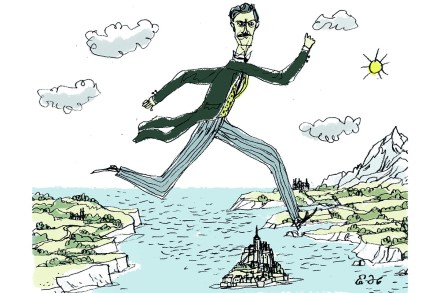
Kudos to Masterpiece’s new eight-part series Around the World in 80 Days, if only for nudging me to read Jules Verne’s original tale of an eccentric Englishman who sets out from London in 1872 on a strict deadline to girdle the globe, as well as to revisit Michael Todd’s Oscar-winning 1956 movie version. Bad translations and Disney movies long consigned much of Verne’s prodigious output to the realm of juvenile entertainment, in the popular mind anyway. Serious critics tell us that we should think again — that in a novel like Around the World in Eighty Days (1873) there is indeed a lot going on. The character of Phileas Fogg has layers beneath his serene reserve, as his passage around the world begins to reveal.

masterpiece around