Jessica Mitford

The problem with books podcasts

The Rest Is History has a new spin-off podcast called The Book Club. If you listen to the former, you’ll know Dominic Sandbrook but perhaps not his producer Tabby Syrett, who has joined him as co-host for the new venture. Tom Holland had presumably nipped off early to feed the cats. The release follows, slightly unfortunately, on the heels of a Sunday Times article in which the current crisis in sales of non-fiction is attributed in part to the boom in factual podcasts. If people are no longer buying history books because they’re ‘getting their history’ from Spotify for free, then ought we to be wary of a podcast about novels, lest we stop buying those as well?

Mitfordmania in Carla Kaplan’s Troublemaker

From our US edition

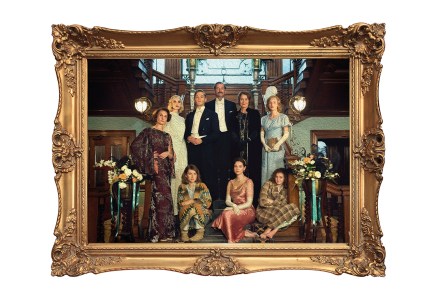
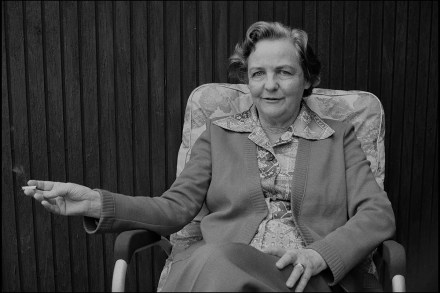
I won’t attempt to explain Mitfordmania; we’d be here all night. Suffice it to say that fascination with the British sisters – Nancy, Pamela, Diana, Unity, Jessica and Deborah, born to the 2nd Baron Redesdale between 1904 and 1920 – shows no sign of waning. This year alone, the six have inspired Outrageous, a lavish (and fatuous) multi-episode television drama available on BritBox; The Party Girls, a play by Amy Rosenthal; and Do Admit: The Mitford Sisters and Me, a graphic novel by cartoonist and fangirl Mimi Pond. Now comes biographer Carla Kaplan’s Troublemaker: The Fierce, Unruly Life of Jessica Mitford. I did wonder if there was anything left to say. Famous for the muckraking classic The American Way of Death, Jessica also wrote two well-received autobiographies.

mitfordmania troublemaker

Can a TV series capture the extraordinary story of the Mitford girls?

From our US edition

We remain fascinated, even obsessed, by the Mitfords. Collectively, their existence is the stuff of legend: the affairs, the imprisonment, the polarized politics, the wit, the beauty, and the brutality, all in one glamorous package. In uncertain times, the sisters offer a flush of eccentric characters: Nancy the Novelist, Pamela the horsewoman, Diana the Fascist, Unity the Hitler-lover, Jessica the Communist and Debo the Duchess.

Mitford

Polly Toynbee searches in vain for one working-class ancestor

Polly Toynbee’s fascinating, multi-generational memoir comes with a caveat to a Spectator reviewer. While her book is written with ‘self-conscious awareness’, Toynbee predicts, with a cautionary wag of the finger, that it will be reviewed in publications where ‘introspection is inconvenient’. Not a page goes by without a reference to the iniquities of class, accent, snobbery or patriarchal dominance Of course, introspection drives her narrative. Toynbee, a self-confessed ‘silver-spooner’, was born into a family of towering academic and literary influencers who, while enjoying connections and lifestyles as posh as they come, almost consistently resisted and campaigned against conservative elitism and privilege.