Jane austen

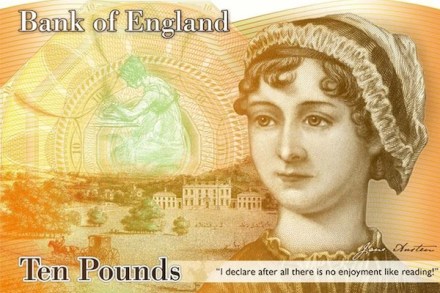
Jane Austen and Winston Churchill are practically the only credible banknote candidates

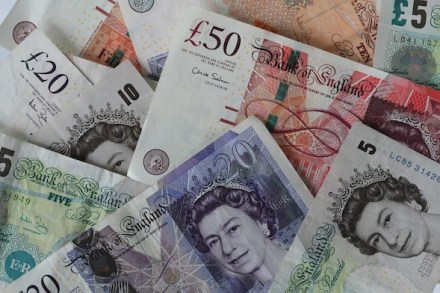
Silly season is here. A minor row has broken out over which long-dead figures should appear on the reverse side of Bank of England notes. I can’t be bothered to relate the details because you’ve all got better things to do like water the garden, fix lunch or watch Loose Women. Basically, Sir Mervyn King’s got it in the neck from the Continuity Bien Pensants by seeming to back Winston Churchill and Jane Austen for this dubious accolade. So far, so ludicrous. But there’s one more point worth making. The criteria for this banknote business are that the subject must be enduringly famous and recognisable. This does rather limit the field, particularly

Jane Austen! Why can’t we have Anjem Choudary on the new ten pound note?

I see that they have gone for Jane Austen as the face of the new ten pound note, after a long and bitter row. I find it incredible that they decided not to take the chance to show a true commitment to multicultural diversity and have instead chosen some boring dead white woman.  I wrote to the authorities demanding that the fiery Islamic organiser Anjem Choudary have his face on the note. After all, as taxpayers we give him enough of the stuff every year. But this was rejected out of hand, sadly. Choudary has backed a new organisation, called Islamic Emergency Defence. The initials are a deliberate reference to

Jane Austen’s pinny

This is the third entry in an occasional series by Christopher Fletcher, Keeper of Special Collections at the Bodleian Library. You can read the other instalments here. It’s almost two years since the Bodleian celebrated its hard-fought acquisition (nail biting auction) of Jane Austen’s manuscript draft of her abandoned novel, The Watsons. Thank you again National Heritage Memorial Fund, Friends of the Bodleian, Friends of the National Libraries, Jane Austen Memorial Trust and all supporting Janeites everywhere. Once a manuscript has been fetched into the bosom of the Bodleian, repaired, shelf-marked, and safely housed, it needs to be studied. So it was that at a seminar with Professor Kathryn Sutherland,

What’s love got to do with it? | 30 January 2013

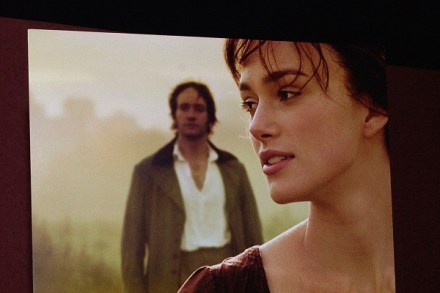
In her Times column on Monday (£), Libby Purves valiantly attempted to fit together two things that were obviously on her mind. Discussing Pride and Prejudice, which is 200 years old this week, in relation to the modern permutations of marriage was sure to be a delicate operation. Purves argued that the book’s appeal lies in both its wit and the intellectual and emotional foreplay between Elizabeth and Darcy. What might seem ‘subversive’ for modern sensibilities, Purves suggests, is the fluttering of Elizabeth’s heart when she sees the size of Darcy’s pile. Nowadays, she argues, marriage is about ‘love’, of course. It doesn’t matter about class, wealth or gender. That