Innovation

Is it time to reopen technology’s cold cases?

From our UK edition

One of the staples of crime drama is the ‘cold-case squad’. This allows programme-makers to add period detail to the scenes set in the past, while the present-day scenes can show implausibly attractive forensic scientists hunting for clues in a creepy location such as a long-abandoned children’s home (an activity obviously best performed during the hours of darkness by two people who separate in mid-search for no apparent reason). I have often wondered whether it is worth establishing a cold-case squad for technology and science, to investigate those lines of inquiry that went cold 50 years ago but would now repay further investigation; or inventions that suffered from a miscarriage of justice.

Why I won’t patent my brilliant idea

From our UK edition

In the past 30 years, I have driven about 8,000 miles in France in right-hand-drive cars. And I would be lying if I denied that one or two of those miles hadn’t been driven on the left-hand side of the road. This scared the life out of me. One second’s inattention elevated my risk of dying in a gruesome accident to levels previously experienced only by 1950s racing drivers or country and western singers. Yet driving on the other side of the road is surprisingly easy — provided you start out on the other side of the road. The error occurs in the first minute of driving: setting off at dawn on an empty road, or when befuddled after stopping at a petrol station, where normal lane rules don’t apply.

The problem with the Tory obsession with DARPA

From our UK edition

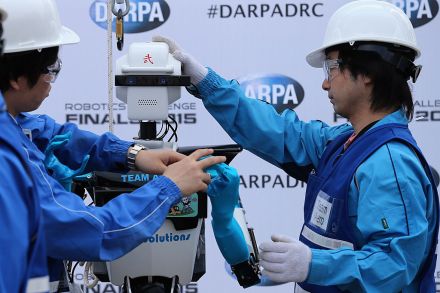
Dominic Cummings’s two catchphrases ‘take back control’ and ‘get Brexit done’ have transformed British politics. Now the PM’s top aide wants to do the same with the British economy through the creation of another ARPA. But will it work? The first Advanced Research Projects Agency was created in the US in 1958. The previous year the Soviets had launched the world’s first artificial orbital satellite, Sputnik, which made Americans fear that the USSR’s economy was about to overtake the US’s. The thought was that only if the US immediately copied the brilliant engineers who ran the Soviet Union could the West hope to keep up. ARPA was the outcome.