Hugh Trevor-Roper

In praise of Obama’s podcast

From our UK edition

Barack Obama has launched a books podcast. Three years ago, this would have been an automatic cause for celebration in the book world. Now, however, the tide has turned. Publishers have started to realise that touting their authors on podcasts may actually do more harm than good; that having a writer discuss their new release for an hour may give the listener all they want and deter them from actually purchasing a copy. The surest way the producer of a podcast can mitigate against the risk is to exclude books by living authors. Obama’s team mostly do just that. The former President has authors as guests, but the books they talk about are in most cases decades old.
Were Britain’s postwar dons just having too much fun?

From our UK edition

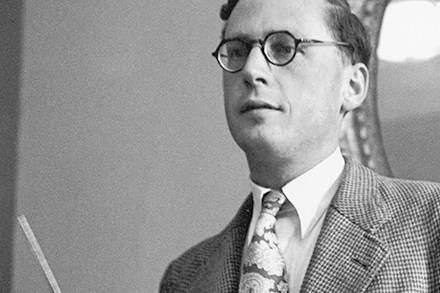
A history of academic life stands and falls by the number and quality of its anecdotes. On this count, Colin Kidd’s Twilight of the Dons unquestionably delivers. Did you know that the biologist Francis Crick wrote to Winston Churchill suggesting that an educational institution named after the statesman would be better off with a college brothel than the proposed chapel? Or that Eleanor Plumer, an early principal of St Anne’s College, Oxford, told the fellows of her fledgling institution that if they simply must have children, could they ‘kindly ensure’ they had them ‘in the University vacation’? At times, the book can seem to be an anthology of such anecdotes, combining, often in the same story, the world-historic and sociologically significant with the gossipy and trivial.

Why Hitler’s suave architect escaped the noose at Nuremberg

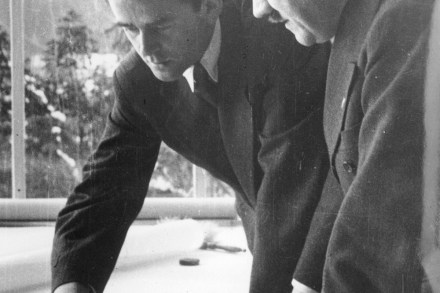
At the Nuremberg trial of the main Nazi war criminals, one man stood out: Hitler’s favourite architect and later armaments minister, Albert Speer. He cut a gentlemanly figure in a gallery of rogues. The strutting, smirking Hermann Goering reminded Rebecca West, who attended the trial, of ‘a tout in a Paris café offering some tourists a chance to see a black mass’. Julius Streicher, the Jew-baiting brute, was like ‘a dirty old man of the sort who gives trouble in parks’. On the same bench, all declaring their innocence in the face of overwhelming evidence of monstrous crimes, were the lantern-jawed SS leader Ernst Kaltenbrünner, the sour-faced ex-champagne salesman Joachim von Ribbentrop, Fritz Sauckel, the thuggish slave labour chief, and the rest of the sorry gang.