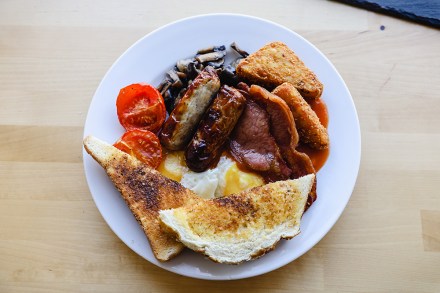
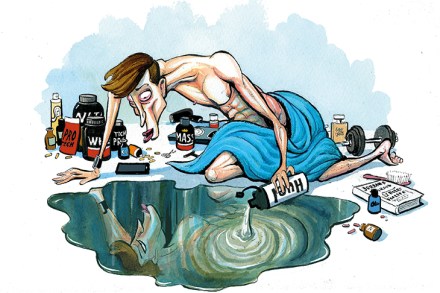
The myth of authentic English food
From our UK edition
There were two butcher’s pork pies in my bag that also contained a copy of Lewis Bassett’s The Full English. As I began reading this investigation into the story of English food, having those pies on my person felt particularly in keeping with the English culinary tradition. By the time I’d finished the book, I was not so sure. Bassett sets out on well-trodden ground to ask: what is English food? He focuses on a clutch of dishes or products which have long been seen as important to, or turning points within, English food culture: bread, haute cuisine, curry, fish and chips, roast beef, sausage rolls, olive oil. So far so conventional – but that’s rather the point. His contention is that much of our received wisdom about English food is reductive or simply wrong.