Horse racing

Video: Mad Moose, the racehorse who wouldn’t run

From our UK edition

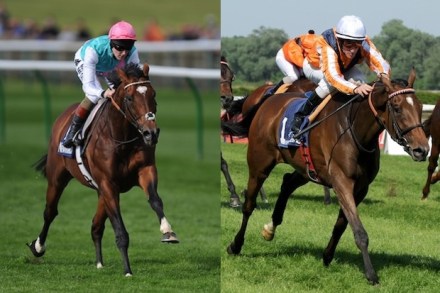
Once upon a time there was a horse whose job was to run as fast as he could. There was just one problem. Mad Moose didn’t always fancy running. It wasn’t a matter of ability – it’s just that most of the time, he didn’t really feel like it. When he was on form, he could do fantastically well; he won at Cheltenham in 2012 after being 40 lengths behind at one point, but after that win he seemed to have had enough of it all. At his next Cheltenham appearance he refused to race, which he did again at York in May this year: In December at Sandown Park, he started the race; but by the time he got to the first jump, decided to pull himself up. What is there to say – he just wasn’t having a good day.

Do racing correspondents really have an anti jump racing agenda?

From our UK edition

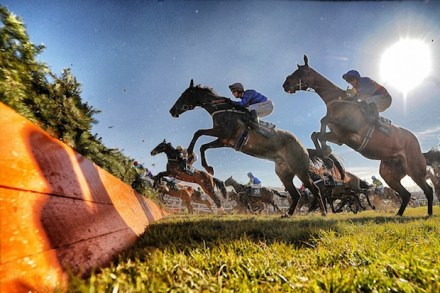
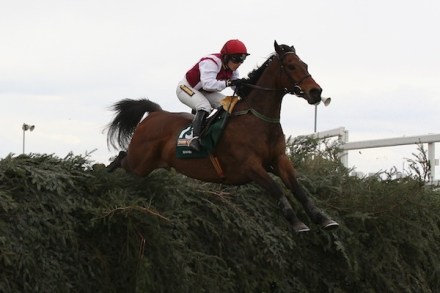
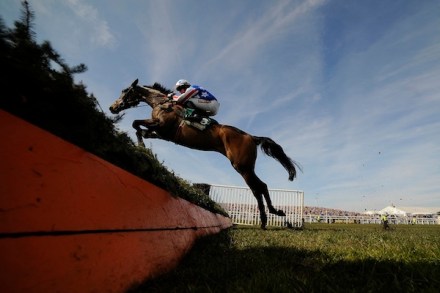
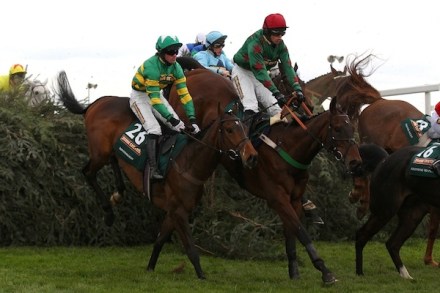
This year’s Grand National meeting attracted an exceptional amount of press attention, much of it due to a number of changes which were introduced in a bid to make the race safer. As a reaction to calls from animal welfare charities such as the RSPCA and Animal Aid – the latter of whom run a ‘racehorse death-watch’ website – Aintree organisers changed the cores of the fences from wood to flexible plastic, levelled out a number of the landings on jumps, and moved the start of the race away from the crowds. So did the changes make a difference to the race? Saturday’s Grand National race was for many an unqualified success, and fortunately no horses died -which indicates that the race was indeed safer than in previous years.

The Turf: Robin Oakley’s Grand National tips | 5 April 2013

From our UK edition

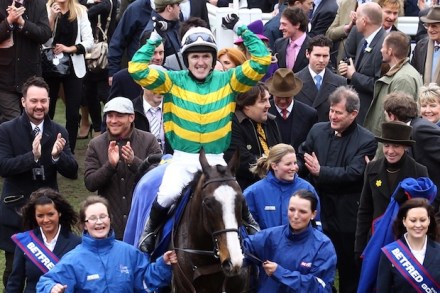
In last week's Spectator, our man in the know Robin Oakley let us in on the secrets of who he's backing in the Grand National, and his view on the 'jump reforms'. With Irish trainer Willie Mullins having blitzed the Cheltenham Festival with no fewer than five winners, I am hoping that his luck continues. I backed his Prince de Beauchene for last year’s National and didn’t get a run after he was injured. I have backed him again for this year’s contest but with Willie’s other runner, On His Own, now the favourite for the race you can still get the 12–1 I got two months ago.

Do changes to the Grand National fences really make the race safer?

From our UK edition

The strange story that jockeys have been asked to ride more slowly in the Grand National on Saturday has not been explained. The demand to make the fences safer has made them more dangerous. If fences are lower, horses can run at them faster. Since their riders want to win, they will urge their horses on; so the authorities are trying, probably vainly, to discourage them. Similarly, the decision to remove the hard timber may well mean that gaps will be knocked out of jumps on the first circuit. Then the horses on the second circuit will tend to bunch for those gaps, creating a greater risk than would otherwise have been the case. In the whole of the first half of the 20th century, only 11 horses died in the National.