Hernán Cortés

The long history of kidnapping Latin American chieftains

One of the few benefits of being an anthropologist is the uncanny exhilaration one feels watching novel current events as re-runs from previous episodes in the history of mankind. Donald Trump’s capture of Nicolás Maduro, President of Venezuela, is no exception. Kidnapping Latin American emperors is a continental tradition. It’s simply the most practical method for breaking the chain of command in the region. It triggers succession chaos, enables the extraction of resources and keeps the rest of the hierarchy more or less intact. In earlier centuries, it was Spain and Portugal. Today, it’s the United States. In the colonial era, the objective was to secure enough gold to beat European rivals.
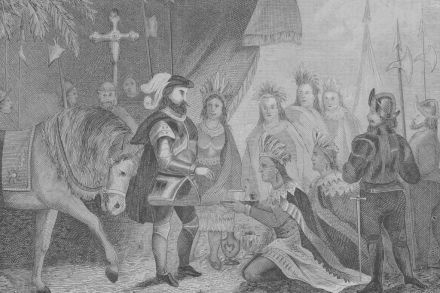

latin american

A fatal clash of civilizations

Many books claim to describe junctures that changed the world, but few examine ones as consequential as Conquistadores. Hailed by the Romantics as courageous explorers, the Spanish conquerors are increasingly seen as violent and rapacious exploiters. That, says Fernando Cervantes, oversimplifies the complexities of the early modern period. Cervantes, a Mexican historian, places the conquest of the Americas in Spain’s political context. In 1492, at great cost to the royal purse, Spain recovered Andalucía from the Moors. So when a charismatic Genoese navigator proposed to sail southwest in search of a new trade route to Asia, Ferdinand and Isabella approved. Columbus’s voyage was the first step to transforming a young nation into the greatest imperial power on Earth.

Conquistadores