Headphones

These $1,549 Bluetooth headphones might just be worth it

On a sunny Wednesday morning in August, I arrived at the London flagship store of Bang & Olufsen. But, of course, it’s not just a regular shop; it’s an “atelier,” or so I’m told. On the ground floor, you can peruse their range of chic, expensive speakers and headphones, but head upstairs — complimentary coffee in hand — and you can dive into their tailoring service. Do you want all the speakers in your home and office to match the materials and colors of their surroundings? Or match your car? Or what about a particularly beloved artwork? This is where you do that — and their sound will be as moving and astounding as their price tags. But downstairs, one floor below the main sales area, there’s a little preview room, hidden away from the world.

headphones bluetooth

Dyson makes headphones again… and they don’t suck

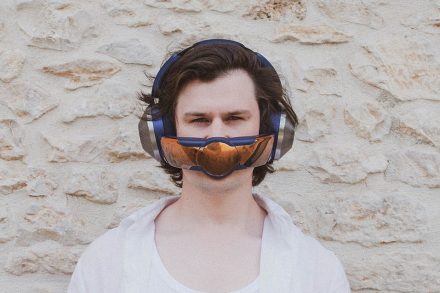
Dyson isn’t the first brand that comes to mind when you’re thinking about buying a pair of Bluetooth headphones. You likely don’t even know they make Bluetooth headphones. And if you do, it’s because their first pair, last year’s Dyson Zone, were the first critically panned headphones released in years. In his review, tech YouTuber MKBHD called them “the dumbest product I’ve ever reviewed.” For the unfamiliar, the Zone has fans and air filters in each earcup, which — through a magnetically attachable mouth visor — filters the air you breathe. But it can’t filter out Covid, is less effective than an N95 mask and using it ruins the Zone’s sound quality, as you’re blasting fast-moving fans right beside your ears.

headphones dyson

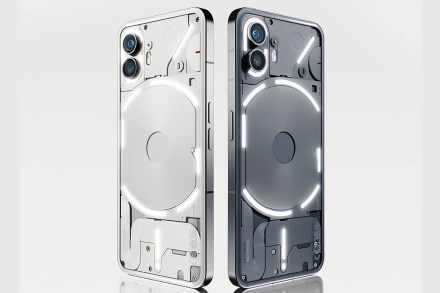
Nothing makes technology transparent again

Consumer technology is, usually, profoundly dull. I love technology, but even I must concede the undeniable. A new pair of light gray, plastic cupped, noise-canceling headphones are functional, and often great, but they hardly get the blood rushing. Yet another gray Windows notebook has released! I struggle to stifle a yawn. And then — worst of all — are the phones. In the sixteen years since the first iPhone debuted, smartphones have become ubiquitous; the market is so large and flooded that innovation is no longer worth the risk. Phones are not cool new devices, but tools. You don’t care how a hammer looks; you care about the price and if it can hit a nail. The latest iPhone is a tool for accessing the internet and taking selfies. Most Android phones are the same but cheaper.

Photo courtesy of Nothing

The Dyson Zone blows, but doesn’t suck

As Canadian smoke filled the New York air, turning the usual gray metropolis into a putrid Dune pastiche, the strangest device of the year found its moment. Potential headphone buyers, once skeptical of Dyson’s $999 air-purifying headphone/mouthguard blend, the Zone, flocked to Dyson’s website, purchasing perhaps tens of units. Now, they wander the streets with sick tunes and clean lungs. Maybe. The fires certainly filled my Twitter feed with jokes about it, but you wonder how well that converts to sales. A quick refresher on these strange headphones: last March, the world’s leader in premium home appliances announced they would be entering the highly competitive Bluetooth headphone space with their new product, the Zone. Its unique selling point? Air filtration.

dyson zone