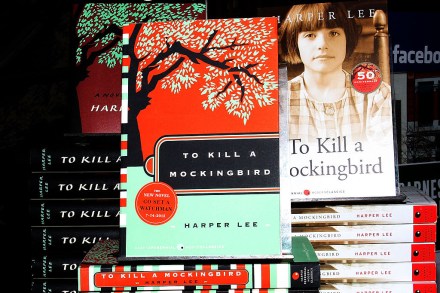
Harper lee

Another collection of Harper Lee’s writings arises

Harper Lee’s To Kill a Mockingbird hardly needs an introduction, as I expect everyone in the world has read it, or has seen the film starring Gregory Peck. (If you haven’t read it, perhaps you should.) Lee, incidentally, went to visit the film set, and had this to say about Peck: “an inspired performance. In some mysterious way, Gregory Peck’s Atticus Finch transcended illusion.” If that seems a tad clichéd and not especially insightful, then I’m afraid to say that this is the general tenor of the nonfiction pieces in The Land of Sweet Forever, alongside eight previously unseen short stories. Go Set a Watchman, a novel which was largely viewed as To Kill a Mockingbird in embryo, appeared ten years ago, to not much acclaim.
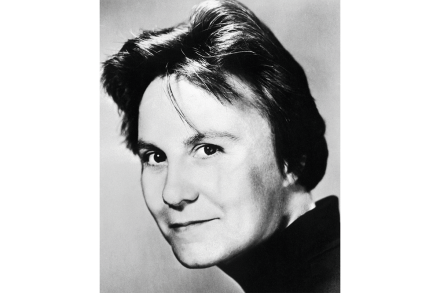
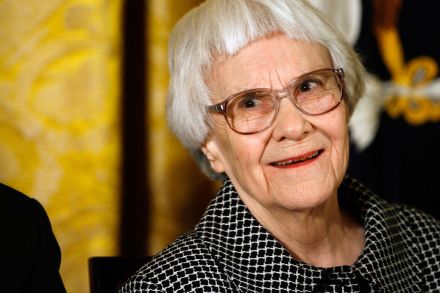
To Kill a Mockingbird would probably not find a publisher in the age of #MeToo

On Tuesday, after a six-month long poll in which four million Americans voted, Harper Lee’s To Kill a Mockingbird was voted the US’s best-loved novel. Mockingbird is so often at the summit of such polls or described as a book ‘every adult should read before they die’ that another win is no surprise. Lee, who stopped writing fiction and giving interviews almost as soon as the novel became a phenomenon, struggled for the rest of her life with the scale of its success. First published in 1960, as the civil rights movement hit its stride, Lee’s anti-racist novel has been handcuffed to liberalism for the last 50 years. An uncharitable reading of Mockingbird would see it as a childishly progressive fantasy.

to kill a mockingbird