Hapsburgs

In search of Sisi

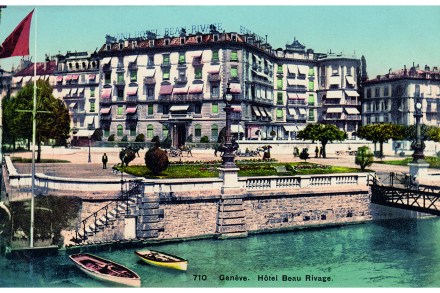
From my plush bedroom in the Beau Rivage, Geneva’s most historic grand hotel, I look down on the lakeside promenade where one of the most remarkable women of the nineteenth century met her dark, dramatic end. On September 10, 1898, Empress Elisabeth of Austria (commonly known as Sisi) was stabbed in the chest by an Italian anarchist as she was about to board a paddle steamer to Montreux. She was carried back into the Beau Rivage and up to the suite where she’d spent the previous night. Within half an hour she was dead. Today, the hotel’s palatial Sisi Suite still looks much as she would have found it.
sisi

Radetzky marches on

‘The Radetzky March’ was composed by Johann Strauss the Elder as a tribute to Field Marshal Joseph Radetzky von Radetz. An aristocrat of Czech origin, he was one of the fiercely conservative soldiers who gave the Habsburg Empire its bad name. First performed in 1848, the year of revolt in Europe, the ‘March’ was an immediate success. Austrian bands men were playing it at the battle of Königgraetz in 1866, fought against the Prussian Kaiser. For the first time, the Prussians had machine guns, and their rapid fire bloodied the white uniforms of the Austrians. Prussian victory condemned Austria to be the lesser of the two German-speaking nations, and on the losing side in the two world wars.

habsburg