Great depression

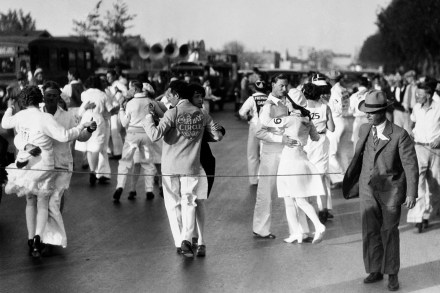
Andrew Ross Sorkin reconstructs the 1929 crash

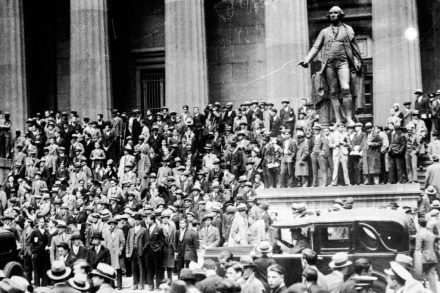
During the great financial panic of 1907, the banker J.P. Morgan locked the titans of the financial world in his lavish private study to determine which banks to rescue and which to let fail. This intervention saved the banking system, restoring public confidence. But trust in Wall Street was shaken to its core. Six years later, Congress passed the Federal Reserve Act, which sought to stabilize the American financial system by establishing a central bank to regulate credit and serve as lender of last resort. By the mid-1920s, the very mechanisms that were designed to promote stability had fueled a surge in stock market speculation.
1929 crash

Let them eat woke

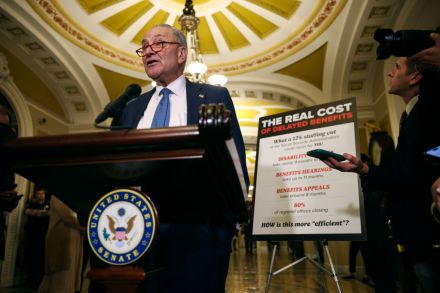
If you have ever been desperate and adrift, you understand the Democratic Party’s frustration. One day, James Carville tells his party to do nothing and let President Trump destroy himself. Another, the Montgomery Burns of American politics, Senator Chuck Schumer, advises a strategy of sustained resistance, rallying his troops to “make Donald Trump the quickest lame duck in history.” The old Senate Minority Leader feeds his angry, cannibalistic followers in hope they won’t eat him. Some Democrats protest their party has been too woke. Others, not woke enough. Pete Buttigieg, a man not often confused with a lumberjack, swaps “darn” and “shucks” for saltier words to demonstrate his party’s determination.

Democrats

Trump’s attitude on Executive Orders is nothing new

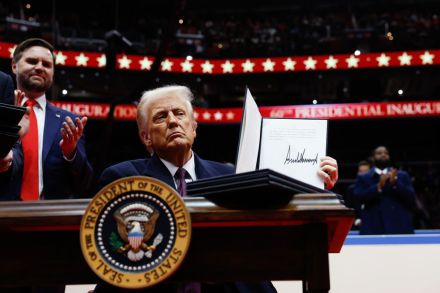
President Donald Trump wasted no time implementing his agenda after taking the oath of office on Monday. He’s issued more than two dozen Executive Orders (and counting), touching everything from immigration to affirmative action to trade. The orders may align with his campaign promises, but underscore a broader trend in American politics: the increasing reliance on executive power over congressional votes. The attitude is far from new. The rise in Executive Orders can be traced back to the beginning of the twentieth century. Theodore Roosevelt issued 1,005 Executive Orders from 1901 to 1909. Woodrow Wilson wrote 1,767 from 1913 to 1921. Herbert Hoover issued 1,003 from 1929 to 1933.

A consequential, divisive, troubling election about big issues

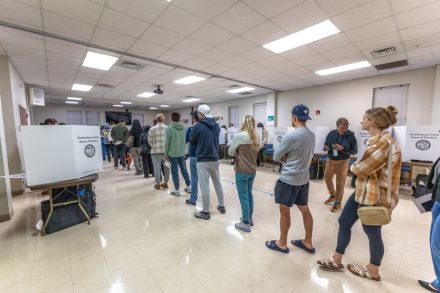
Republicans and Democrats, who disagree so virulently on so much, at least agree on two things. Both say it is the most consequential election in US history. (They might want to check on 1860.) And both believe the other side’s triumph would be catastrophic. It would have dangerous consequences for decades, they say, and might be impossible to correct. They are half right, perhaps more, and what they are right about is scary. This election is the most consequential since Franklin D. Roosevelt defeated Herbert Hoover amid the Great Depression. That election was consequential because it and the following one, in 1936, locked in the Democratic Party coalition that effectively governed the country for the next seventy-five years.

e pluribus unum election

It isn’t necessarily the economy, stupid!

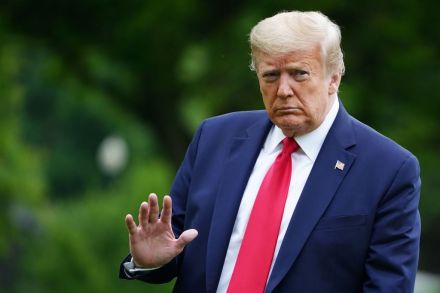
'It’s the economy, stupid!' With those now famous words, the Democratic strategist James Carville summarized the 1992 election between President George H.W. Bush and Arkansas governor Bill Clinton. Carville captured a fundamental reality. From 1932 to today, only three incumbent presidents have lost their reelection campaigns: Herbert Hoover in 1932, Jimmy Carter in 1980 and H W Bush in 1992. Each man fell thanks to economic woes. As of March 1, 2020, Donald Trump’s reelection campaign was also all about the economy, stupid. Trump’s 'Keep America Great!' economic record had been very strong. The stock market had hit record highs, with the S&P 500 reaching nearly 3,400 and the DJIA almost topping 30,000 in mid-February.

economy