Government workers

Telework is making government even lazier

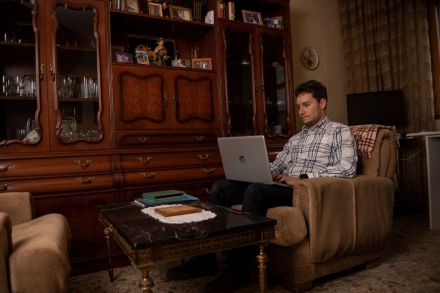
Cockburn spent his long weekend the same way most Americans did: reading the Functional Government Initiative’s recent report. It found that “on any given day from March-December 2020, between 20-30 percent of HHS employees did not appear to be working.” Government inefficiency is nothing new, but in this case teleworking is exacerbating the problem. And that isn’t about to improve — at least not under this administration. Biden continues to push for more teleworking options, even as the pandemic finally begins to fade. The Washington Free Beacon reports that Brian Harrison, the former HHS chief of staff who commissioned the investigation of telework participation, speculates that many recent federal agency errors may be due to an inactive teleworkforce.
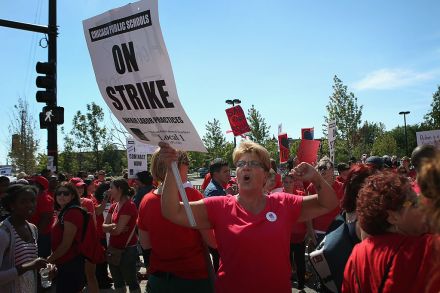
Why are government unions never the bad guys?

If there is such a thing as a formula for making a hit film, it has something to do with giving audiences a new and unusual villain. Over the years, screenwriters have thrown their protagonists up against enemies as thuggish as boss Johnny Friendly in 1954’s On the Waterfront and as smooth as Olivier’s Crassus as in 1960’s Spartacus. “The more successful the villain, the more successful the film,” as Hitchcock himself once put it. Which is why Hollywood’s constant search for new and unusual bad guys has explored almost every conceivable milieu: corporate America (The Big Short), street gangs (The Warriors), hospitals (Coma), prisons (Shawshank Redemption), law firms (The Firm), and even the movie studio itself (The Bad and the Beautiful).