Game

Is the World Cup ball rigged?

The World Cup’s new ball is the most technologically advanced ever, FIFA tells us. It has a 500Hz motion sensor chip, which lets VAR and analysts figure out precise positioning, speed and even the spin on the ball, for some weird reason. But former England goalkeeper Joe Hart says the Trionda ball is making life harder for goalkeepers trying to save shots. “It’s that kind of shoulder height,” he continued: As soon as [players] are not using the curling technique, as soon as that ball is not spinning, the goalkeepers are struggling.” Hart obviously has lots of experience in the area and was particularly known for his ability to deal with shots around the head and shoulders, but is he right?

ball

The killer in your backyard

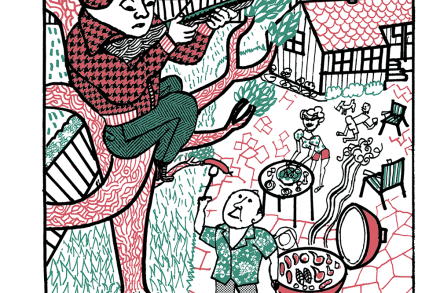
A perch some 20 feet up a backyard tree offers a peek into every manner of activity in the neighborhood. One guy in a uniform sets down his running leaf-blower, backs into a bush, squats and relieves himself. Another guy wearing pastel and khaki rides tight circles on his mower; his facial contortions suggest he’s singing his ass off. A woman washes dishes at her kitchen sink. A man grills on his deck and searches for me in the treeline. This is urban hunting. And it sucks. All the way around. But here’s the truth: it’s necessary – for hunters, for homeowners, for the community and our economy. New York City infamously invested $6 million in taxpayer funds to give bucks vasectomies As a hunter, the suck starts when you pull into a stranger’s driveway.

hunting killing

What to eat in game season

From our UK edition

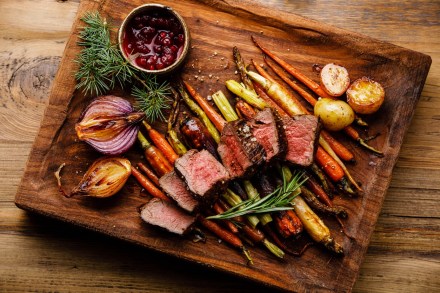
Game is a perfect refutation to the sort of militant vegan campaigners who go around placing floral tributes on packaged meat. So long as shoots are responsibly conducted, game is as environmentally sustainable and ethical as meat-eating gets. But this year looks set to be a tough one for parts of the industry. Chiefly because of a severe outbreak of avian flu in France, gamekeepers in the UK have struggled to source enough birds to rear (90 per cent of partridge eggs and 40 per cent of pheasant eggs are imported from or through France). By some estimates up to 70 per cent of partridge shoots and nearly a third of planned pheasant shoots may be cancelled this year.

Our farm is a haven for lost souls

From our UK edition

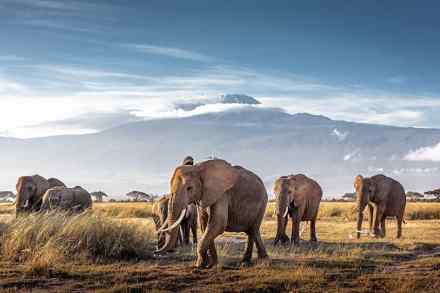
Laikipia He was turned out in a crisp bush ranger’s uniform and handled his assault rifle like a man hardened in the field for years to take on bandits and elephant poachers. ‘Ah Mario, what a pleasure it is to meet you again after all this time,’ I said. His severe military face collapsed into a beaming smile as he snapped to attention and slope-armed his weapon. He then relaxed and we chatted for a while on the roadside in our farming district, where I’ve been around so long now that I frequently encounter people whom I’ve known all their lives. Some, like Mario, even have a few wrinkles, greying hair, a couple of wives and several children. The farm has always been a refuge, remote from towns and the life outside.

We have incurred the wrath of the shoot boys

From our UK edition

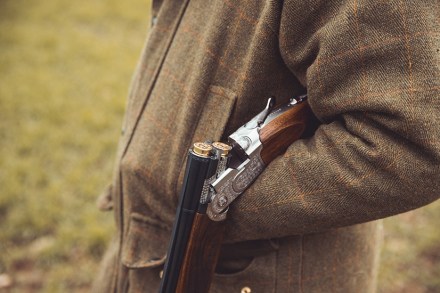
Since telling the shoot we won’t let them use the land we rent, we have been beset by a series of unfortunate events. It began more than a year ago now, when we first dug in our heels and said there were to be no standing guns in the fields where we keep our horses. The lady who owns the land backed us. They didn’t help themselves by demanding to use it for free. The idea was, we pay the rent and move our horses somewhere else during the shooting season so they can shoot pheasants in it. I don’t think so. They argued that they had established a recent history of using the land, albeit unbeknown to the owner. When we took it over, we found a hole in her back fence line and a makeshift stile on to her land across a ditch from a neighbouring field.