Fusionism

Frank S. Meyer was a political paradox

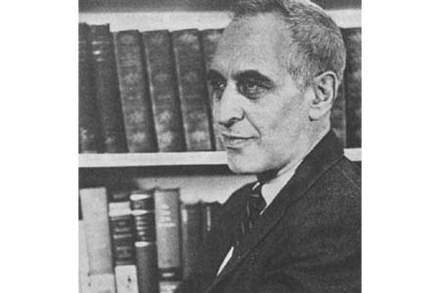
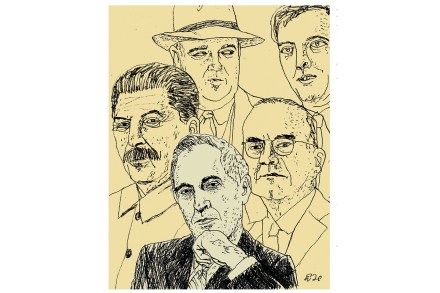
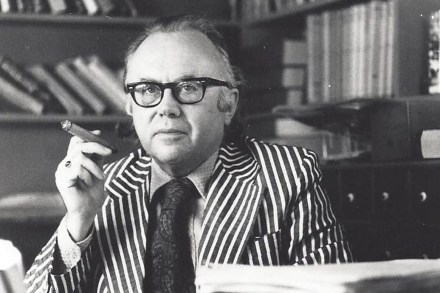
Noel Parmentel’s quote, “The right wing was fun back then,” is one of the takeaways from Daniel J. Flynn’s new book The Man Who Invented Conservatism: The Unlikely Life of Frank S. Meyer. Fun? The progenitors of post-World War Two American conservatism were, as portrayed here, a high-spirited lot. They were also intemperate, combative, self-destructive, often brilliant, not infrequently loony – and always deeply interesting. One could apply those qualities to the subject of the book, a character who looms large in the minds of intellectual conservatives and hardly anywhere else. Frank Meyer is not a household name like William F. Buckley Jr.
Meyer

Virtue and order must come before freedom

Libertarians and conservatives “share a detestation of collectivism,” wrote Russell Kirk in 1981. “They set their faces against the totalist state and the heavy hand of bureaucracy. That much is obvious enough.” But he asked “what else… conservatives and libertarians profess in common.” “The answer to that question is simple: nothing. Nor will they ever have. To talk of forming a league or coalition between these two is like advocating a union of ice and fire.” On a practical level, Kirk may have been overstating his case. At the time that he was writing, a strategic alliance between libertarians and conservatives made a good deal of sense. Communism abroad and progressive collectivism at home were the great challenges of the day.

russell kirk fusionism virtue

What people get wrong about fusionism

To suggest that the American conservative philosophy of fusionism was a mistake is often to betray one’s confusion about the term. Misconceptions notwithstanding, “fusionism” was never meant to refer to an alliance of convenience between disparate groups (religious traditionalists and economic libertarians, say). Instead it was a nickname, bestowed by L. Brent Bozell, Jr., for the philosophical synthesis advanced by his friend and intellectual adversary Frank Meyer in the 1950s and 1960s. Meyer’s synthesis had a few parts. Normatively, he said that both Judeo-Christian virtue and freedom from coercion (whether carried out by a bandit or by an agent of the state) are goods to be cherished and protected.

frank meyer fusionism