Free market

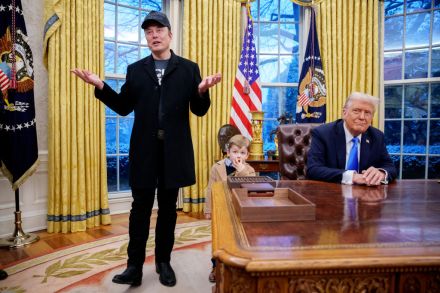
Elon wants Trump to understand how a pencil gets made

“I-Pencil,” the fable-like essay by the economist Leonard E. Reed, remains one of the best introductions to the free market. It shows the ways in which the mass production of even simple things – like the humble pencil – involves the work of numerous people, most of whom do not know each other and who are all motivated at some level by self-interest. Above all, Reed shows that this extremely complicated process occurs without someone planning it from the top-down. This is, in short, the classic argument for market liberalism. But Reed’s essay also illustrates the follies of central planning or imagining that humans can somehow live an entirely self-sufficient existence.

pencil free trade

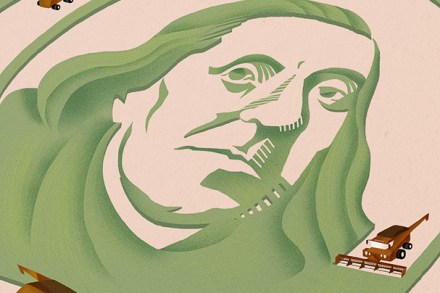
Free markets deliver real American greatness

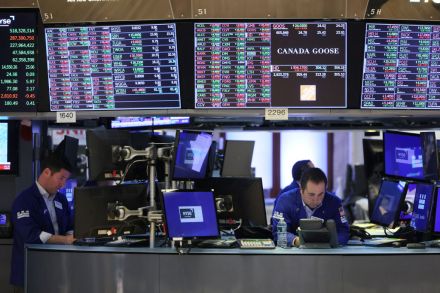
Since its postwar rise, the American conservative movement has staked its reputation on defending the free market as an abiding principle. Conservatives pointed to the liftoff in the American economy caused by the Reagan tax revolution and the deregulation of heavily controlled parts of the economy. Less government and less regulation were better for the American economy. The left disagreed with this fundamental axiom of conservative wisdom. Now, surprisingly, many on the right have joined them. Something obviously changed in the post-Cold War period. China’s entry to the World Trade Organization in 2001 resulted in the so-called China Shock, or the loss of 15 to 20 percent of manufacturing jobs in America.

free market

How the right fell out of love with markets

In December 2016 I was speaking at a conference in London. Much of the discussion, unsurprisingly, gravitated toward Donald Trump’s recent election as president. It meant, I noted, that an outspoken free-trade skeptic would be in the White House. At that point a bright young French economist turned to me and said, ‘Mon ami, I thought that free trade was a done deal on the right. Apparently, it isn’t.’ As it turns out, it wasn’t just free trade that much of the American right was on the brink of rejecting. A systematic questioning of the central place assumed by free markets in conservative thought and policies since the 1970s, in the United States and the broader Anglosphere, was well underway.

Free markets