Frankenstein

Del Toro’s Frankenstein deserves the big screen

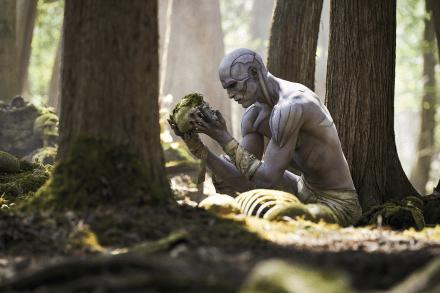
If you want to see Guillermo del Toro’s no-expense-spared adaptation of Mary Shelley’s Frankenstein this Halloween, you’ll have to hope that you’re living in a major city with an arthouse cinema. That is because, as part of the Faustian deal that Netflix strikes with the filmmakers whom it gives blank checks to realize their dream projects, the pictures that they make get only the most token of cinematic releases before they are sent onto the streaming service, there to become part of the algorithm for all eternity.

A journey through Edinburgh’s gothic past

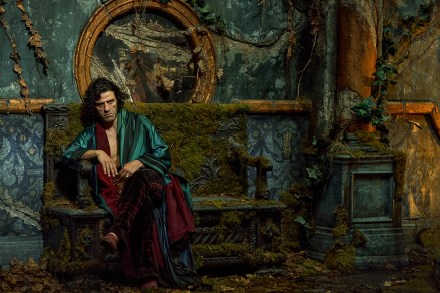
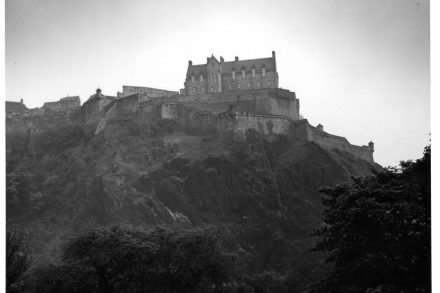
When Guillermo del Toro’s new film adaptation of Frankenstein makes its bloody advent on Netflix later this year, the backdrop for 19th-century body snatching and resurrection may look familiar to many viewers. It was shot last year on Edinburgh’s Royal Mile and images from the set suggest that, as ever with del Toro, this will be a hallucinatory and haunting exercise in Gothic extravagance. If so, he has picked the perfect city on which to unleash Frankenstein’s monster. Edinburgh is a place that wears its long and often violent history like a velvet cloak.

Edinburgh

‘Literary Blackface’ is woke as hell

In order to cash in on celebrate Black History Month, Penguin Random House and Barnes & Noble planned a collaboration to achieve an amazing feat of wokeness. They were set to perform what I like to term as ‘positive blackface’ on a number of literary classics in order to show their support of diversity. Very much in the spirit of Justin Trudeau, they redesigned the covers of classic novels such as The Secret Garden and The Wonderful Wizard of Oz so that the main characters are more representative of ethnic minorities. Now, the more cynically-minded among those less in tune with what people of color want might see this promotion as a horrendously clumsy and lazy attempt at earning virtue points. Well, to that I say a resounding, ‘NO!’.

literary blackface