Folklore

Everybody needs ‘good neighbours’: fairy folklore from time immemorial

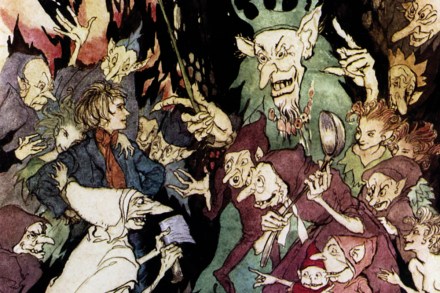
To our jaded century, ‘fairy’ carries connotations ranging from the sentimental to the sickly. It conjures childishness, foolishness, insipidity and softness – Tinker Bell, the Tooth Fairy, the Cottingley photographs that fooled Arthur Conan Doyle, cakes, twinkling lights and a certain brand of soap. Francis Young feels that the word should also be applied to countless other traditions of supernatural entities from earliest times on – that fairy stories help us fathom being human. Young has written or worked on many books about religion and folklore, and this is his third specifically on fairies. Suffolk Fairylore (2018) and Twilight of the Godlings (2023) explored British ‘encounters’; now he expands across

Francesa Simon: Salka

32 min listen

My guest in this week’s Book Club is Francesca Simon. Best known for her Horrid Henry series of children’s books, Francesca has just published her first novel for grownups, a haunting reworking of a Welsh folk tale called Salka: Lady of the Lake. She tells me how she came to shift direction, what myths offer in terms of storytelling possibility – and why she never tired of her best-known creation.

Women on a wind-swept island: Hagstone, by Sinéad Gleeson, reviewed

This absorbing and wild debut feels at once muzzily folkloric and sharply contemporary. It follows Nell, an artist who lives on a wind-whipped island without ties or commitments – until, that is, a group of women living an even quieter life commission her to make an artwork that will tell their story. The Inions, as they’re known, have come from all over the world to Rathglas, a crumbling old convent overlooking the sea. Naturally, rumours abound about them being a cult or a coven, but really they’re ‘ordinary women wanting a different kind of life’, who have rejected hatred and inequality in favour of seclusion and simplicity. Gleeson, who in

The Victorian origins of ‘medieval’ folklore

I would guess that contemporary pagans have a love-hate relationship with Ronald Hutton. With books such as The Triumph of the Moon and Stations of the Sun, scholarly accounts of the history of modern witchcraft and the ritual year in Britain, no one writes more sensitively about their worldview. On the other hand, as an academic, Hutton assiduously seeks to saw off the branch on which many of their fondest assumptions sit. The paradox can be explained. Queens of the Wild returns to one of Hutton’s key themes: the debunking of the idea that pagan practices and beliefs survived intact in Europe from archaic times. With characteristic frankness he explains