Fiscal responsibility

Why it’s time to end the debt ceiling and fund the IRS

Amid the much-anticipated debt ceiling imbroglio, it’s become clear that our national debt can't keep growing like this. To tackle this issue, we need to start by admitting the problem: about 70 percent of federal spending is mandatory, meaning it grows automatically without congressional input. Unfortunately, most of this is Social Security, Medicare, Medicaid, and other politically popular entitlement programs. Cutting the benefits these programs dole out is a political third rail most self-interested political actors won’t dare to touch. Luckily, we don't need to eliminate these programs. What entitlement reform supporters want is to secure these programs’ solvency and make sure they’re there for future generations.

Don’t expect Republicans to fight lame-duck spending

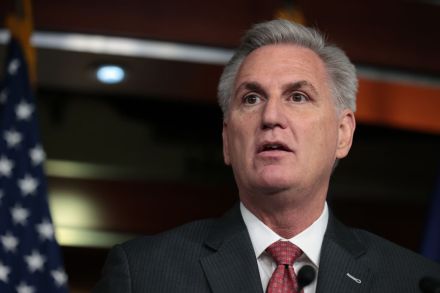
Lame-duck sessions of Congress are rarely uneventful. Whether it’s cramming through spending at the last minute or cramming through even more spending at the last minute, our legislature can always be counted on to rubber-stamp bills that lacked political support before Mariah Carey returned to the airwaves. Leading the charge for the opposition this time around is the self-declared speaker of the House, Kevin McCarthy. A Bloomberg headline recently proclaimed that “McCarthy Draws Line on Spending,” and trumpets seemingly blared out from the heavens heralding that Republicans had — finally — rediscovered their fiscally conservative bona fides. But not so fast: this is a script we’ve seen before.

Return of the congressional earmark zombie

Much like a Hollywood movie monster franchise, earmarks are back in the federal government. Congress’s $1.5 trillion omnibus bill contains pages upon pages of so-called “member-directed spending” for hundreds of pet projects in congressional districts across the country. Senator Mike Braun put the final earmark count at $8 billion, taking up 367 pages of the 2,700-page bill that funds the government through the end of the fiscal year. Congress banned earmarks in 2011 thanks to a rather rare show of bipartisanship by House Republicans and then-President Barack Obama. Congressional bipartisanship then unanimously brought back earmarks last year.