Fiscal conservatism

The great big, beautiful risk

The electoral risk to politicians involved in passing a dog's breakfast of a "big, beautiful bill" – and there have been too many of this century to count – is often overstated. Once bills this large and unwieldy are passed there are a litany of problems that emerge as Americans, dulled into frustration by the same old swamp, discover only too late which specific policies negatively affect their lives and businesses. But then there are also things they like about it too, and even measures that are initially unpopular find purchase. And I do mean purchase in both senses, as in literally bribing voters with their own money, as Barack Obama's Medicaid expansion did.
Bill

Why it’s time to end the debt ceiling and fund the IRS

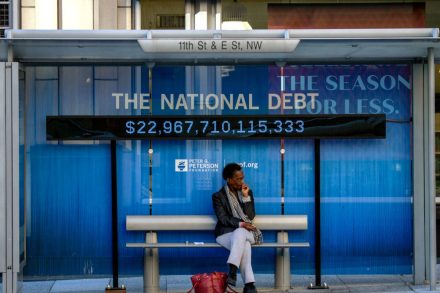
Amid the much-anticipated debt ceiling imbroglio, it’s become clear that our national debt can't keep growing like this. To tackle this issue, we need to start by admitting the problem: about 70 percent of federal spending is mandatory, meaning it grows automatically without congressional input. Unfortunately, most of this is Social Security, Medicare, Medicaid, and other politically popular entitlement programs. Cutting the benefits these programs dole out is a political third rail most self-interested political actors won’t dare to touch. Luckily, we don't need to eliminate these programs. What entitlement reform supporters want is to secure these programs’ solvency and make sure they’re there for future generations.

Don’t expect Republicans to fight lame-duck spending

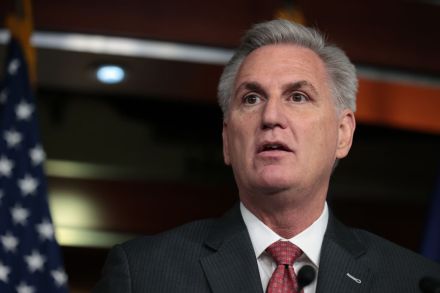
Lame-duck sessions of Congress are rarely uneventful. Whether it’s cramming through spending at the last minute or cramming through even more spending at the last minute, our legislature can always be counted on to rubber-stamp bills that lacked political support before Mariah Carey returned to the airwaves. Leading the charge for the opposition this time around is the self-declared speaker of the House, Kevin McCarthy. A Bloomberg headline recently proclaimed that “McCarthy Draws Line on Spending,” and trumpets seemingly blared out from the heavens heralding that Republicans had — finally — rediscovered their fiscally conservative bona fides. But not so fast: this is a script we’ve seen before.

Forever in our debt

President Donald Trump will enter an election year with the threat of impeachment still hanging over him. Yet in most respects his administration is in a far better position than his critics could have imagined when he took office nearly three years ago. Economic growth, while in retreat in recent months, remains ahead of that of other developed countries. Stock markets, which Nobel Prize-winning economist Paul Krugman said might ‘never recover’ from Trump’s election, are at near-record highs. Where Trump’s opponents feared that his bellicose language would spark a nuclear conflict in North Korea, he defused the situation. His approach to foreign policy may be incoherent, but it hasn’t yet proven to be disastrous.

national debt