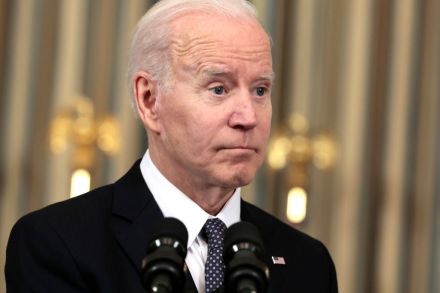
The end of American retirement
Cockburn has been mulling over in his mind a gloomy new report about his retirement prospects. “In a July poll conducted jointly by Axios and Ipsos,” the Hill writes, “29 percent of workers under fifty-five answered a retirement query with, ‘I don’t think I will ever retire.’ Asked why not, three-quarters of the never-retire group said they could not afford to stop working. A smaller share said they didn’t want to.” With inflation doing a number on folks’ 401ks and future inflation fears rising, Cockburn is not surprised by people’s responses to this poll (except for those who don’t want to stop working — seek mental evaluation). Still, he wonders: what does our future workforce look like if it’s composed of geriatric personnel refusing or unable to retire?