Fed

Trump should have the power to fire the Fed chair

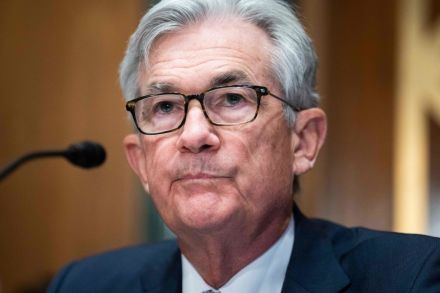
The Chair of the Federal Reserve is arguably the most powerful economic official in the United States. He’s also the least accountable. He sets borrowing costs for households and businesses, opens lending windows to banks deemed “too big to fail,” and decides when to tame or ignite inflationary forces. Unlike the Treasury Secretary or even the President himself, he answers to no one. That may soon change. In Trump v. Wilcox, the Supreme Court is weighing whether the President should be allowed to remove the head of an independent agency.
Fed

The painful road to lower inflation

From our UK edition

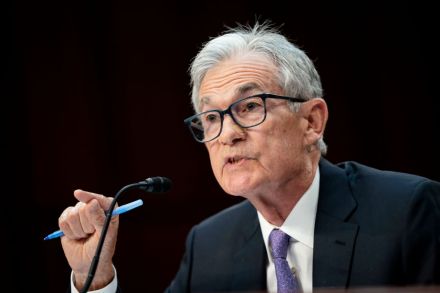
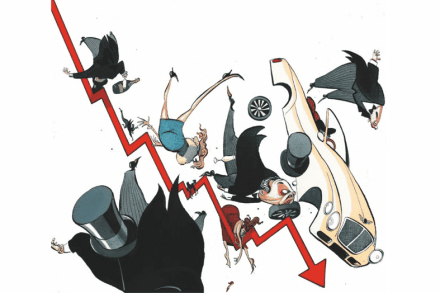
In the end, it could have been worse. The Federal Reserve might have followed Sweden’s lead, with a whole one point rise in interest rates, or it could have even decided to short-circuit the whole process and go straight for a 1.5 per cent increase. Instead, it opted for the safer course, imposing a 0.75 per cent increase in rates much as the market expected. Even so, it made one thing absolutely clear. It is not going to let up in its battle to bring inflation back under control – and the rest of the world will have no option but to follow its lead. The markets were primed for another rise in rates from the Fed chairman Jay Powell today. That was precisely what he delivered. American interest rates will go up to 3.

What does the Fed’s interest rate hike mean?

The Federal Reserve raised interest rates by 0.25 percent last week, the first increase since December 2018. Back then, Donald Trump had been very vocal in his criticisms of the Fed and its chair Jerome Powell, demanding no more rate increases. There was no resistance from the White House this time with press secretary Jen Psaki saying that the Biden administration respected the Fed’s independence. Powell called the rate increase necessary due to inflation coupled with rising prices. “As we emphasize in our policy statement, with appropriate firming in the stance of monetary policy, we expect inflation to return to 2 percent while the labor market remains strong,” said Powell, before warning that it will take longer than expected for inflation to sink.

interest inflation

The Federal Reserve is still political

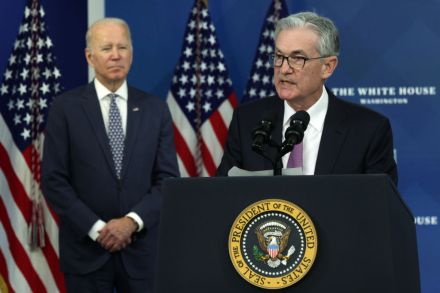
President Joe Biden’s re-nomination of Jerome Powell as Federal Reserve chairman came as no surprise to financial analysts. Powell remained the most likely candidate given his ability to schmooze and glad-hand with politicians within and outside the administration. He earned the title of “best bureaucrat in Washington, DC” by receiving endorsements from both National Review and the American Prospect despite their divergent policy views. A corresponding vote in the Senate seems preordained, unless Massachusetts Senator Elizabeth Warren gets her way and forces a new pick. “Reappointing Powell is the safest route here,” the Cato Institute’s Norbert Michel told me in an email after Powell’s nomination on Monday.