Why did you participate in the FaceApp challenge?
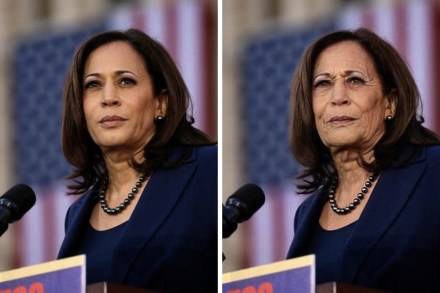
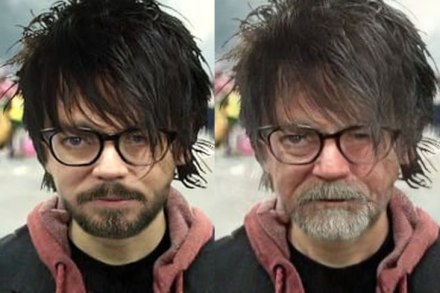
Perhaps you’re one of the millions of people who decided to download FaceApp and participate in the '#FaceApp Challenge.' If so, I have just one question: why?As Kristina Libby, a writer for Popular Mechanics, notes, 'You may have unintentionally given access to your likeness to malicious actors … to do whatever they want with that content … for life.'FaceApp burst onto the scene in 2017, when it was downloaded more than 80 million times. Thanks to the 'make yourself older' challenge, the app is in recent days experiencing a renaissance of sorts. By using neural networks to simulate what an individual looks like as they age (adding wrinkles, sagging skin, yellowing teeth, etc), the company behind the app encourages users to share their images.