Derided as ‘feminists’: the unsung witnesses of the Nuremberg trials
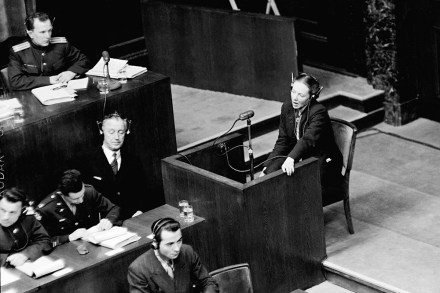
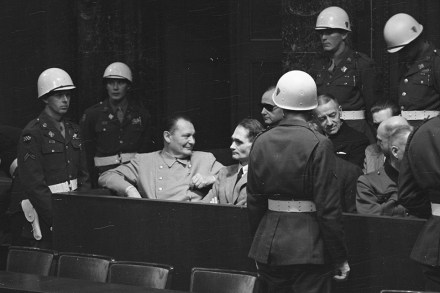
There are several things wrong with James Vanderbilt’s new film Nuremberg, least of all, some might say, the fact that it fails the Bechdel test. This 1985 metric assesses female representation in film by whether two named women have a conversation on screen about anything other than a man. If you are thinking, ‘So what? All the Nuremberg prosecutors were male, as was every defendant’, then you need to get hold of Natalie Livingstone’s revelatory book. While the public face of the trials was resolutely male, as were the indictments (there was no mention of rape, for instance, within the listed war crimes), the truth is that in the trials, as in the war, women played significant though often hidden roles.