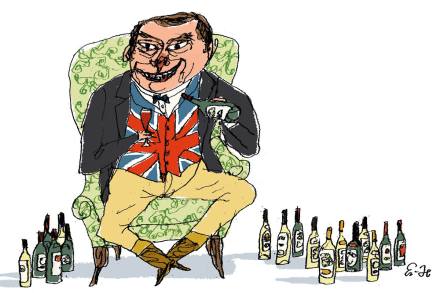
The rise of English wine
Sometimes, I pretend that I worked the wine beat thirty or forty years ago. I picture myself in formal wear, kicking back in gilded settings, sipping perfectly aged first growth, trading bons mots with winemakers. We’d spend hours solemnly considering the slow, steady, seemingly eternal rise of wine culture, and how inevitably it would soften the cruder edges of society. It would be so merry, yet cerebral — but also something we could feel good, even morally superior, about participating in. Instead, I’m in 2024 wearing yoga pants and guzzling mineral water (must hydrate!) by myself holding Zooms with winemakers, sweating over the fact that scientists say climate change imperils up to 73 percent of the world’s current wine-growing regions.