Elena ferrante

Lost in translation

Picture the scene: a twenty-something college student, desperately trying to impress a girl he’s met for a date. He's early, but that isn’t a problem as it gives him a chance to sit nonchalantly with his ever-so-artfully-battered paperback. It’s Rimbaud’s Collected Poems: intellectual, sensual, rebellious — everything he wants to be perceived as. He props the book up so that the poet’s name is visible and waits for his delicate intellectualism to be applauded. The only thing missing from this tableau is the name of the poems’ translator, assuming that the student isn’t pretentious enough to be carrying around the original French. A smaller name on the fragile paperback, the translator is generally unmentioned, forgotten, and obscured.

translation

On literary cross-dressing

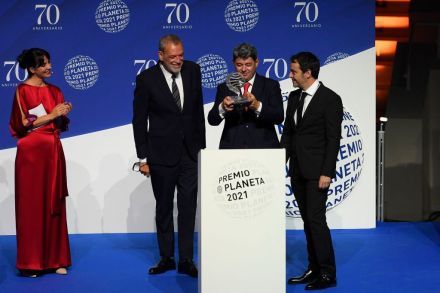
When Carmen Mola won Spain’s Planeta literary prize for her crime thriller, The Beast, it was widely assumed that she was a female professor with a hardboiled literary style. Think again, mis amigas. Mola was the pseudonymous literary creation of three men: Jorge Diaz, Antonio Mercero and Agustin Martinez. The three scriptwriters smirkingly accepted the million-euro prize at a ceremony in October, and the literary world, home of uppity puritans and shrill wokesters, immediately found itself enmeshed in a scandal highlighting issues relating to authenticity and authorial freedom.

literary

Elena Ferrante’s Italian job

As there’s nothing more annoying than when someone tells you ‘I told you so’, I shall refrain from telling you so for as long as possible. But it will be hard. There I was, lying on the couch one afternoon at work and reading Twitter, when I noticed LitHub appearing in my feed. Now, I am usually as glad to see LitHub in my feed as a prize race horse is to see cat food in his. LitHub is one of those trendy, sort-of academic websites that talks about things like ‘digital humanities’ and does its earnest best to take the fun out of reading and the point out of book-reviewing when, as any-one knows, reading and writing book reviews is a waste of time unless there’s blood and feathers everywhere by the end of the first paragraph.

elena ferrante

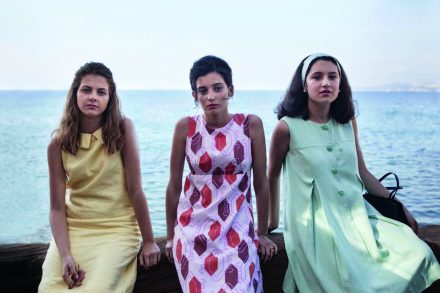
The real Elena Ferrante is a male-female collaboration, but HBO’s My Brilliant Friend is a man’s world

On the one occasion when I visited Naples, the plane from Barcelona was packed with shouting Italians. They broke into exuberant cheers when we completed a routine landing, and clambered over the seats to pinch my cheek. My taxi driver got lost and it took hours to find my Airbnb, in an outlying block of flats with great chunks loose and crumbling from its garish orange façade. The airline, it goes without saying, had lost my bag, and the husband and wife who rented out the room wasted no time in selling me a toothbrush. I spoke no Italian save a few words of Dante, and they no English, but when my Italian-speaking friend arrived the next day he found he could understand them no better than I could. To blame, the notorious Neapolitan dialect.

my brilliant friend elena ferrante

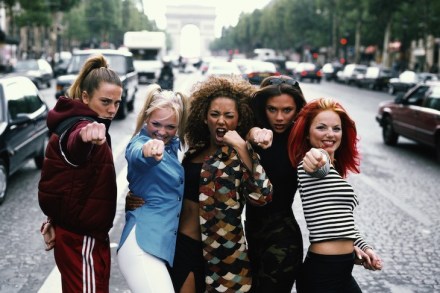
The Spice Girls sang about empowerment – better than the #MeToo whinging

The recent news of a Spice Girls reunion will, I suspect, be greeted by some former fans with nostalgic longing and others with an embarrassed cringe. But whether you’re a fan or foe, I think it’s worth remembering that golden decade of Girl Power — the 1990s — when it was bliss to be young and female. With our present preoccupation with the abuses of male power, we’ve forgotten about Girl Power. It was a fun-fuelled feminism for the mainstream; a materialistic and hedonistic celebration of female assertiveness, ambition and self-reliance. Girl Power was Thatcherism in sexy underwear. OK, so maybe Girl Power didn’t produce much in the way of great pop music or feminist polemics.