Drug pricing

Trump’s Pfizer deal will increase drug costs

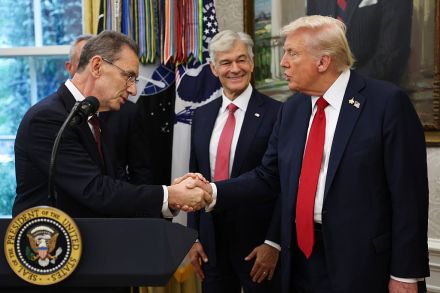
President Donald Trump’s new partnership with Pfizer to sell drugs directly to consumers is being cast as a major win for patients. He’s right about the problem: healthcare and prescription drugs cost too much. Families are struggling, and patients often face heartbreaking choices between groceries, rent and the medicines they need. But the proposed solution isn’t tackling the root of the issue. It risks exacerbating federal government failures that created this problem.For starters, Pfizer is claiming that this new campaign is about lowering consumer costs. But it’s really about creating a cozy relationship with the government that nobody else can.
Pfizer

Will Trump’s war on Big Pharma work?

Cynics will scoff at Donald Trump’s latest initiative: issuing an executive order forcing pharmaceutical companies to lower the prices of medical drugs used by US patients by between 30 and 80 percent. The President wants to impose what he calls a “most favored nation” rule, under which drugs companies would be allowed to charge US consumers no more than they charge in the lowest-priced country where they sell their product. That could have serious consequences for campaigns to fight disease globally, given that cheaper versions of drugs are often sold in developing countries which might not otherwise be able to afford vaccination programs and the like. Isn’t Trump supposed to be against price-fixing?

Trump

Trump’s historic opportunity to make Americans healthy again

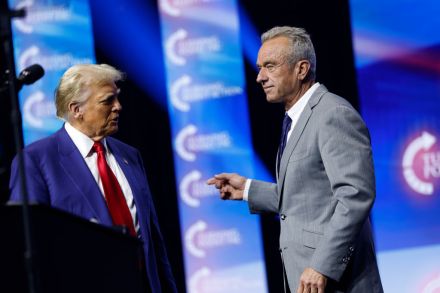
After years of crushing inflation, "woke" priorities and bureaucratic overregulation, Donald Trump and the Republican Party achieved a resounding victory in November. Part of that victory was built upon his promise to challenge the status quo in our healthcare system and to “make America healthy again.” The first step? Ending patient-last policies in Medicare, Medicaid, drug pricing and health insurance that prioritize the health of the healthcare system over the health of patients, driving up the cost of care at the expense of patients and taxpayers.  Healthcare is the only market where customers discover the price after consuming a good or service, and these surprising costs are contributing to crushing medical debt. It doesn’t have to be this way.

healthy

On the ground with Obama, Warnock and Abrams in Georgia

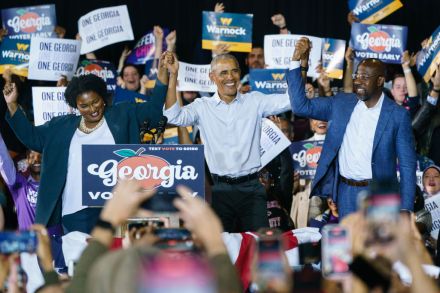
College Park, Georgia Former president Barack Obama came down to Georgia stump for Senator Raphael Warnock and gubernatorial candidate Stacey Abrams. But more significantly, the 44th president of the United States dedicated a good chunk of his stage time on Friday to mocking Warnock’s opponent Herschel Walker. In a move reminiscent of his 2011 White House Correspondents’ Dinner speech — which supposedly provoked Donald Trump to run for the presidency in 2016 — Obama performed a stand-up bit to demonstrate that Walker’s proficiency as a Heisman Trophy-winning football star did not equip him to serve in the US Senate. “Let’s do a thought experiment,” Obama said. “Let’s say you were at the airport, and you see Mr. Walker, and you say, ‘hey!

barack obama stacey abrams raphael warnock georgia

Build Back Better won’t make insulin more affordable

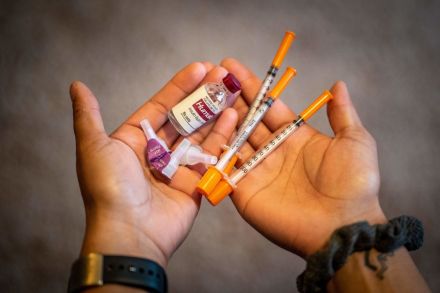
Language about insulin is supposed to be one of the bigger selling points of the Build Back Better Act. Democrats say prices would be capped at $35, which is true from a certain point of view. Insulin co-pay prices get capped at $35 — starting in 2023 — for Medicare Part D and Medicare Advantage plans. Individual and private insurers face different rules, however, only having to charge $35 for either a vial or a pen. They can also pick one kind of insulin to cover. Insulin price controls are a hot topic right now for good reason. Over the last twenty-three years, Humalog brand insulin has gone from $21 a vial to $275. The generic version of insulin called Semglee costs almost the same.

insulin