Driving

Are electric vehicles really the future?

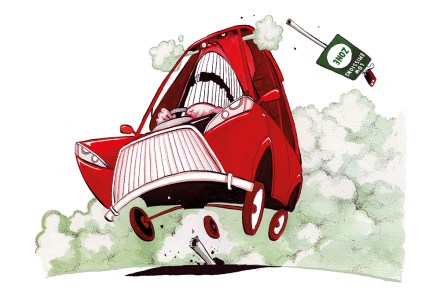
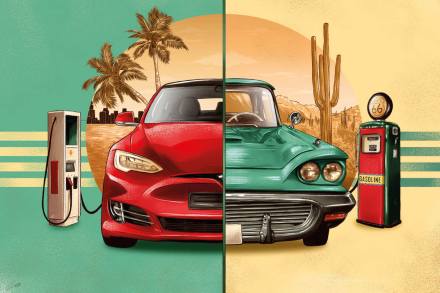
It’s a cloudless spring day, made for a country drive. Chartreuse trees explode with pollen and glow to near neon. I wind past pastures and stone and brick farmhouses and amiable old barns that could set the scene of a Beatrix Potter story, elatedly adding to the hum of provincial enterprise by perfecting my rev-matching skills over the rolling hills and 8mph switchbacks that mark PA-74. The quiet two-lane road spits me out into city limits, and suddenly I’m crawling through a crowd at the Carlisle Collector Car Auction. I’m here to learn what classic car enthusiasts think of electric vehicles, or EVs. In 2021, President Biden issued an executive order establishing that, by 2030, half of new passenger cars sold must be all-electric or hybrid, going up to two-thirds by 2032.

electric vehicles

Why after Covid does everyone drive like maniacs?

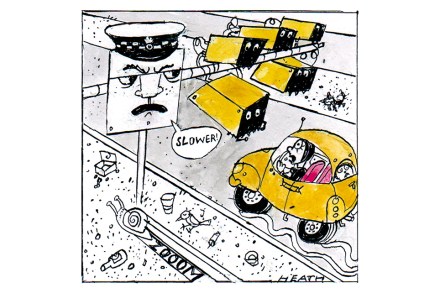
I’m cruising on an uncongested stretch of Interstate 80 when I see an eighteen-wheeler plodding up the hill ahead. I tap my turn signal, glance at my blind spot and coast smoothly into the passing lane. I’m gearing up my vocals for the “got runned over by a damned old trainnnn!” line of David Allan Coe’s song, playing on the radio, when I’m spooked out of my aria by a mid-size SUV barreling down on my bumper like a furious Pamplona bull. “Cop!” is my first thought, as my pursuer appeared out of nowhere. I let off the gas and check my speed: seventy-nine in a seventy. Too late to tap my brakes. Besides, he’s likely to smash into me if I try that. I rush to merge back into the other lane and await the flashing blue lights. Except the blue lights never come.

Forget trains: American car culture is worth defending

Had Amtrak come to a screeching halt this week, as it was on the verge of doing, most Americans would not have noticed. Of those workers who still commute to in-person jobs, 76 percent drive their own cars, 10 percent ride a bike, and only 11 percent use public transportation. Other countries tend to give us a bad rap for our car-loving ways. Most of us — nine in 10 Americans over the age of 16 — drive. And we drive a lot: 59 minutes and 30 miles a day, on average. We’re on the road twice as much as our friends in France, Germany, and Great Britain. So when non-American critics blame climate change on our driving habits, I can’t help but think they’re just plain jealous. Here’s the thing about America: it’s huge. That means people can spread out, and we have.

A driver’s license, if you can keep it

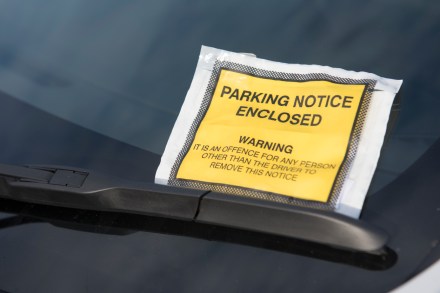
I remember still the foreboding language and tone when I was learning to drive in New Jersey over a decade ago. First, you needed to earn your permit. Never forget that driving is a privilege, not a right (which only works if driving is an option, not effectively a requirement, though drivers ed isn’t in charge of land use). After your permit, you start with your probationary license. And in a twist that somehow passes civil liberties muster, you’re not even allowed to appeal a ticket issued to you during your probationary period. You feel a bit under suspicion until you finally get that license. Yet for all that, it’s still, basically, a lot of bureaucracy and paper-pushing.

The sad demise of American car culture

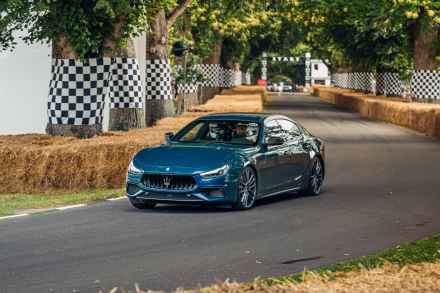
Today’s youth get a bad rap for being boring: they don’t join clubs, volunteer, pursue hobbies, or invent anything. Their sartorial style is a sad mishmash of tired trends, their movies unimaginative remakes (there are nine Spider-Man movies now), and their music is largely stoned hip-hop artists talk-singing to the same hypnotic beat. There are many forces at work in the dulling of the current generation, but one of the simplest reasons youngins may not feel inclined to go anywhere or do anything is because getting there is such an exercise in meh. When was the last time you sat in the driver’s seat of a new car, gripped the steering wheel and felt one iota of excitement?

car