Doom

The disembodied brain cells playing video games

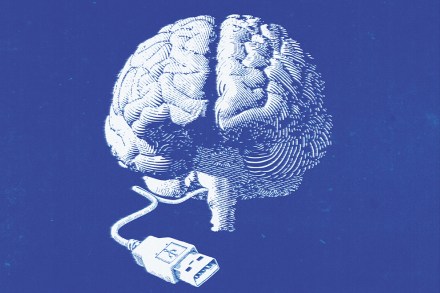
In a suburban Melbourne industrial estate, hidden in a clutter of brutalist buildings and parked trucks, tomorrow’s world is taking shape. Here, an Australian tech start-up called Cortical Labs has caused an internet sensation. More than 40 million people have watched a clip of disembodied human brain cells playing the 1990s video game Doom. These cells are kept in petri dishes, wired up to computers and trained to do whatever the researchers want. “Right now, the cells play a lot like a beginner who’s never seen a computer,” says neuroscientist and Cortical Labs’s chief scientific officer, Brett Kagan. “But they can shoot, they can spin, they can seek out enemies and, while they die a lot, they are learning.
Ridiculously enjoyable: Doom – The Dark Ages reviewed

From our UK edition

Grade: A In the beginning, there was Doom. The videogame landscape was formless and void. But id Software created a square-headed space marine and several billion two-dimensional demons for him to kill with a shotgun, a chainsaw and a BFG (Big Fracking Gun); and several billion teenage boys saw that it was good, and they called it the First-Person Shooter, and lo, they gave up leaving their bedrooms altogether. The original Doom (1993) really was the genesis of a genre: dark, intense, relentless, addictive. The latest iteration of the game – which plunks our space marine and his demon hordes in a medieval world rather than a space station – stays true to its vibe, while using all the processing grunt available in next-gen consoles to tune that vibe up.

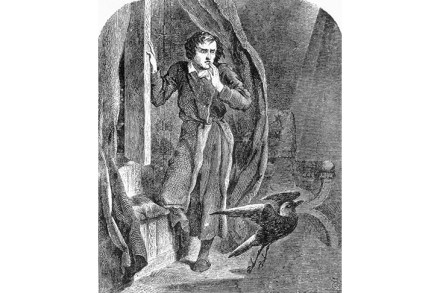
The Raven – bird of ill omen

With bird books the more personal the better. Joe Shute was once a crime correspondent and is today a Telegraph senior staff feature writer. It is his investigative journalism, a series of meetings with people who deal with ravens first-hand, which provides novelty. Historical, mythological and other diversions add ballast.In the prologue he writes: ‘I was born in 1984, making me the flag-bearer of a strange generation.’ Raised comfortably and lovingly in London, his future seemed serene. Then ‘came the financial crash of 2007; and with it the collapse of all the misplaced entitlement of my youth… Rather than better, it was going to get far worse’.At this juncture, he found solace in birds in the Yorkshire countryside.