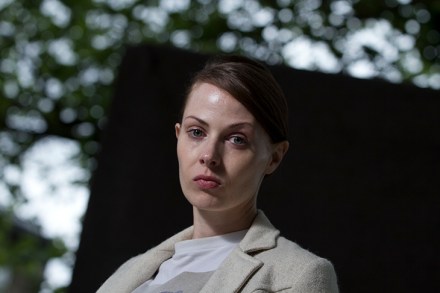
Problem parents: My Phantoms, by Gwendoline Riley, reviewed
From our UK edition
Gwendoline Riley’s unsentimental fiction hovers on the edge of comedy and bleakness, and has drawn comparisons from Jean Rhys to Albert Camus. First Love, her fifth novel, put a toxic relationship under the microscope, winning the Geoffrey Faber Memorial Prize in 2017 and being shortlisted for five others, including the Women’s Prize for Fiction. Expanding on one of its strands, her sixth book zeroes in on child/parent dynamics. In My Phantoms, Bridget, an academic, reflects on her relationship with her late father and mother. Glimpses of her suburban upbringing reveal a mother miserably yet willingly shackled to convention. When Bridget asks Helen why she married the monstrous husband she left seven years later, she’s told: ‘It was just what you did.