Diego Velázquez

The divine Dalí and his ‘Christ’

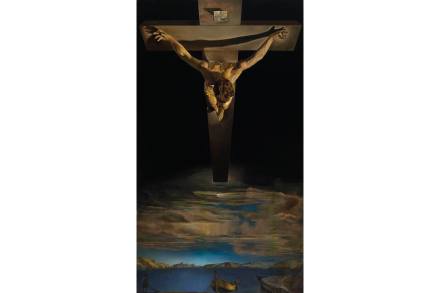
I arrived in the city of Figueres early one January morning to visit one of the most popular, and bizarre, art museums in the world, the Teatre-Museu Gala Salvador Dalí. It houses a dreamlike picture that, for the first time since it left over seventy years ago, has made a temporary return journey to Spain. Originally simply titled “The Christ,” the 1951 canvas depicting the giant figure of a man on a cross, shown at an overhead angle hovering over a moody seascape, was painted by the most famous son of Figueres, Salvador Dalí. Through April 30, it forms the centerpiece of a show exploring its creation, history, local connections and symbolism.
Dalí

John Singer Sargent comes to Spain

One of the great achievements of Spanish art is in its use of black. No other national school harnessed the dark arts to such effect. In Spanish painting, the color black might convey shadow, or the mystery of the unseen, while at the same time presenting a brooding presence, a dark mass right there on the surface. Just look at “Las Meninas,” Diego Velázquez’s masterpiece of 1656. Now consider the subject. Is it the five-year-old infanta? Her ladies in waiting, the “Meninas” of the title? The painter portrayed at his easel? The infanta’s royal parents in the reflection of a mirror? Some unseen viewer interrupting this tableau?

sergent