Dementia

Why I get my health advice from the Daily Mail

From our UK edition

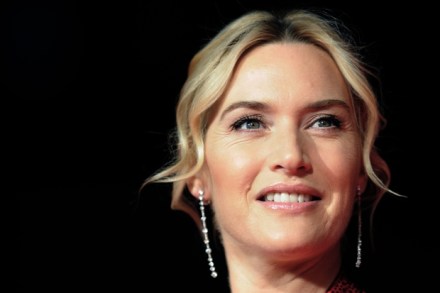
When one is in one’s seventies, as I am, one begins to fear the horror of dementia and to carry out anxious checks on one’s memory to see if the brain is still working. The results in my case are not very encouraging. For example, it took me several days to remember that the film star who canoodled with Leonardo DiCaprio in the stern of the Titanic was called Kate Winslet, although I am an admirer of hers and even once met her. Nor can I remember the words of the songs and poems that I used to know by heart. Am I on my way to becoming a helpless vegetable at the mercy of resentful carers? This is the point at which one turns to the Daily Mail for comfort.
How to get old without getting boring

From our UK edition

When one notices the first symptoms of senile dementia (forgetting names, trying to remember the purpose of moving from one room to another, and so on), books can be wonderfully helpful. At the age of 80, Penelope Lively, the prolific, generally esteemed, novelist, has written an encouraging guidebook for the ageing: For me, reading is the palliative, the daily fix. Old reading, revisiting, but new reading too, lots of it, reading in all directions, plenty of fiction, history and archaeology always, reading to satisfy perennial tastes, reading sideways too — try her, try him, try that.

The syphilitic sound of Schumann’s violin concerto is part of its genius

From our UK edition

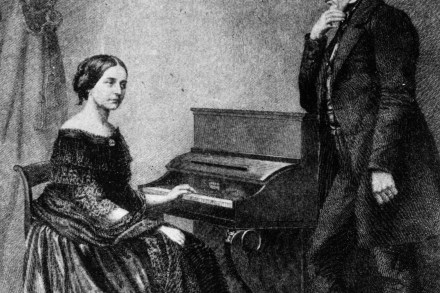
Robert Schumann met a wretched end. He died in a lunatic asylum where he thought the nurses were feeding him human faeces. Meanwhile he drove his fellow residents mad by sitting at the piano and bashing out nonsense-music until he had to be dragged away — a grotesque indignity for the creator of the most bewitching quicksilver fantasies in the history of the instrument. After Schumann’s death in 1856, the violinist Joseph Joachim hid away the strange concerto that the composer had written for him in 1853 because it showed evidence of softening of the brain. Clara, Robert’s widow, agreed. That became the conventional wisdom.