‘Corporate agriculture’ is wrong about cows and methane
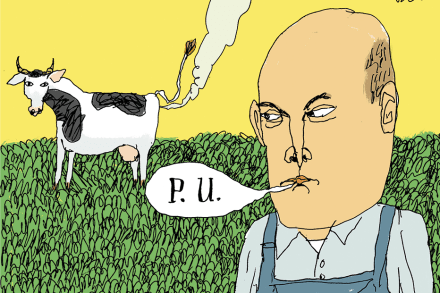
In the 1960s, scientists discovered that halogenated compounds such as chloroform and bromochloromethane could inhibit methane-generating microorganisms, also known as methanogens. This was important because agricultural scientists were trying to make livestock farming more efficient. Ruminants (cows, sheep, goats, deer, giraffes) produce the gas methane when they digest plant matter. Scientists reckoned between 2 and 12 percent of all the energy from feed was being lost as gas. If they could reduce methane production, they could increase yields of meat, milk and other products. In one experiment, feeding chloroform to sheep reduced their methane emissions by between 30 and 50 percent. The results were even more dramatic with bromochloromethane: a reduction of 70 percent.