Country life

Croquet hasn’t quite gone away

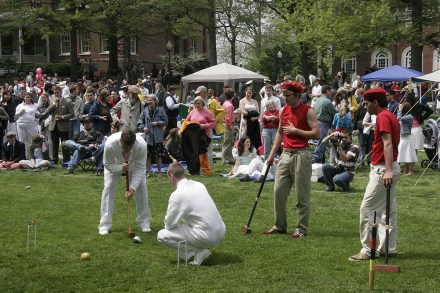
Growing up, I remember a set of strange colored mallets that occupied a dusty corner of the family garage. My mother had purchased them as a novelty, I learned, in an effort to take up croquet when she bought her first weekend home upstate. She had fond memories of playing croquet as a child, but to me it always rang somewhat ironic: the city slicker’s romantically anachronistic idea of, “What else is there to do in the country?” So when I got invited to this year’s Annapolis Cup – the 42nd annual croquet match between St. John’s College and the US Naval Academy – I wasn’t sure what to make of it. My first instinct was to assume it was a gag, a silly put-on for charity.
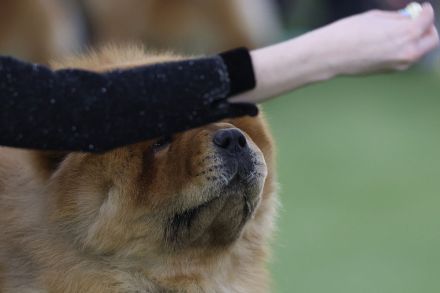
My barn dog is a Chow Chow

Even if you’re not a dog expert, you probably know enough to laugh at the breed of my resident barn dog. Chow Chows are not exactly cooperative, and while they are bred as territorial guard dogs, their cat-like laziness makes them, at best, capriciously protective of their owner. These little balls of fur are, however, pretty damn cute. My three-year-old, Winnie, embodies all of these traits – or at least she did as a puppy, with the occasional tendency to regress. But growing up around horses on an unfenced property shaped her more than any innate breed characteristics. Having owned pretty much all the conventional breeds, I can safely say she’s now more or less exactly what you look for in a farm dog.

Missing Cowboy, our great farm manager

Life in the country is unforgiving. Animals die, labor is unceasing and nature fights back at every turn. We say losing a beloved horse or a loyal farm dog is like losing a member of the family. But while the pain is real, it’s certainly not the same as losing a dear friend. Our long-time farm hand died late last year. He was not an old man by any means and he had the vigor of a younger man still. By the grace of God, he passed away peacefully at home in the small cottage just down the road from the farm. I’ll call him Cowboy, because in truth, that’s what we called him most of the time. He didn’t like his real name. And he certainly lived up to the moniker. Cowboy could solve any issue, big or small.

The chaotic thrill of a horse auction

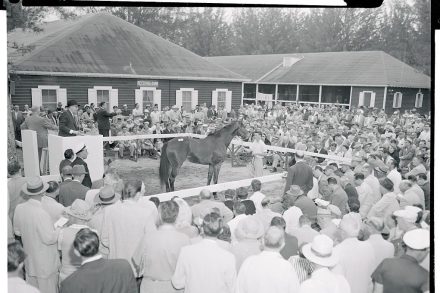
The story of Harry deLeyer and his horse Snowman reads like a Disney classic. DeLeyer was a Dutch immigrant farmer who bought Snowman at auction with his last $80 in the 1950s . Snowman was an unpedigreed plowhorse, already old by competitive riding standards, and likely headed for the glue factory when deLeyer saw promise in his strength and spirit. They went on to become one of the most successful pairings in the history of showriding, taking home the Triple Crown of national titles in 1958. The horse world has changed a lot since then. Both training and breeding are highly scientific across all pursuits, from showriding to racing.

The rural reality

I was never a “real” rider. My parents were serious riders. My sister was too – she showed at national level. But by the time I came along, the youngest child by 20 years, no one had the energy for proper lessons, let alone the time it takes to seriously compete. Yet somehow, I’m the one who wound up with the family horse farm in New York’s Hudson Valley. My family’s involvement with horses goes back almost 80 years. My dad, a Bronx boy raised on Bonanza and Lone Ranger, grew up riding on summer vacation at a Borscht Belt resort. His love of horses shifted him from Jewish cowboy to showjumper and he eventually took over the equestrian center he learned to ride at. For more than 30 years, he bought, sold, boarded and trained horses in every discipline.

Family Business