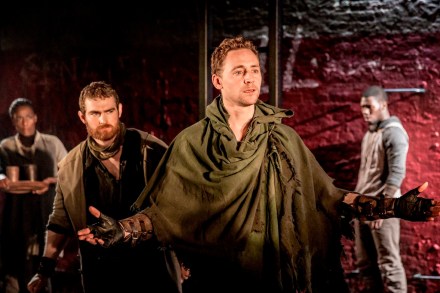
Coriolanus

Why Shakespeare remains the great playwright

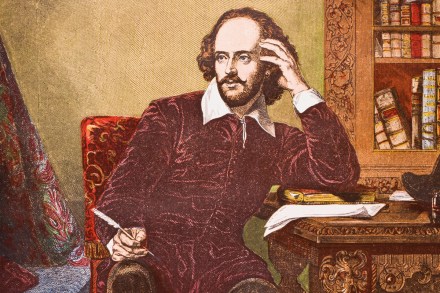
William Shakespeare’s tragedies stand apart. Their impact is profound and lasting, in cultural, artistic, emotional and psychological terms. Who could forget the ghost’s first appearance in Hamlet, or Lear bearing the dead Cordelia? No other dramatist has achieved what Shakespeare did: in subject matter, emotional heft, innovative usage of source material, character development and startling deployment of language Shakespeare is (and there is no other word for it) extraordinary. He surpasses both his predecessors (sorry, Thomas Kyd!) and those that came after him. He built on the foundations the classical playwrights established, and then, almost casually, bettered them, too.
Shakespeare

Faultless visuals – shame about the play: the National’s Coriolanus reviewed

From our UK edition

Weird play, Coriolanus. It’s like a playground fight that spills out into the street and has to be resolved by someone’s mum. The hero is a Roman general whose enemies conspire to banish him so he takes revenge by joining forces with a foreign power and laying siege to Rome. Coriolanus’s mother shows up on the battlefield and begs him to drop his vendetta and come back home. Later he dies but without delivering a big speech. The Roman soldiers have plastic swords that go ‘clack’ rather than metal ones that go ‘ching’ The key difficulty is that Coriolanus’s tragic flaw, a lack of ambition, is really a virtue. He’s far too noble for his own good and his disdain for power makes him annoying rather than admirable.

As a lyricist, Ian Dury had few equals in the 20th century

From our UK edition

The National Theatre’s programme of livestreamed shows continues with the Donmar’s 2014 production of Coriolanus starring Tom Hiddleston. The play is not a favourite. The story concerns a victorious Roman general who accepts the role of consul but when his political career falters he takes revenge by befriending his defeated enemy, Aufidius, and marching on his own city. There’s too much bitterness and aggression here, and no romantic sentiment at all. The only significant male/female relationship is between the great conqueror and his preening, pushy mother, Volumnia, who boasts about her son’s triumphs as if they were scouting badges or gold stars won for laying out the nature table. Coriolanus is an unsatisfactory tragic hero.