Chips

How Iran could end the AI boom

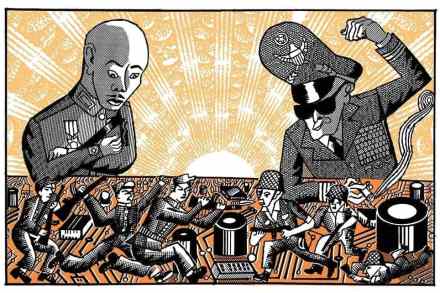
While Americans anxiously watch the price of gasoline tick higher as the war in the Middle East squeezes the global oil supply, the conflict has highlighted another energy vulnerability that could prove just as costly: Taiwan’s dependency on foreign natural gas. At first blush, energy issues an ocean away seem peripheral to American interests. They are anything but. Though the effect on the American economy won’t be immediate, energy insecurity in Taiwan is a looming disaster. Qatar, the source of 30 percent of Taiwan’s natural gas, has been effectively bottled up The reason is that AI – in fact, virtually all modern computing – is highly reliant upon the steady production of semiconductors in the world’s only true hub, Taiwan.
Semiconductors

America’s chip war with China

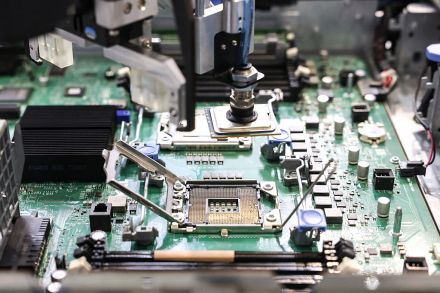
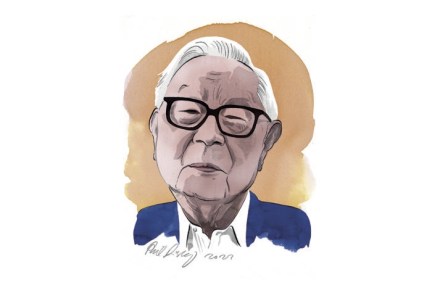
There is a joke in Taipei that if China invades Taiwan the best place to shelter is in microchip factories, the only places the People’s Liberation Army can’t afford to destroy. The country that controls advanced chips controls the future of technology — and Taiwan’s chip fabrication foundries (“fabs”) are the finest in the world. Successful reunification between the mainland and its renegade province would give China a virtual monopoly over the most advanced fabs. Given that Xi Jinping has made clear his intention to take control of Taiwan by 2032, it is no wonder that the American government is worried about the concentration of cutting-edge semiconductor technology on the island.

semiconductors

Why is Trump protecting a microchip company with close ties to China?

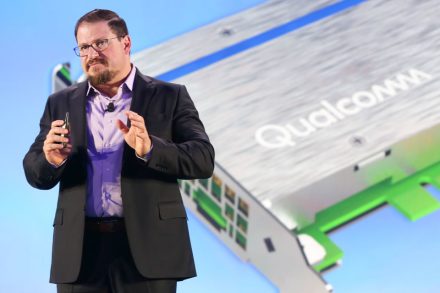
The United States and China are locked in a battle for technological superiority. President Trump has blacklisted tech giant Huawei over concerns the company will leverage its control of 5G networks to spy on behalf of the Chinese Communist party. The crackdown shows the administration is acutely aware of the national security implications of outsourcing network and chip technology. But the concerns don’t end with foreign-owned companies. Qualcomm, US-owned and the one of the world’s largest chip companies, has developed an intensely close relationship with China, potentially making it a trojan horse for communist influence. Qualcomm has been on Trump’s radar.

qualcomm