How mastering friction transformed humanity
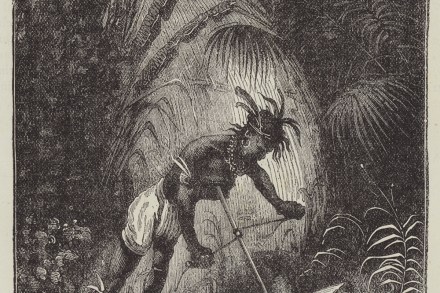
The fundamental purpose of science is to view the world from a different perspective. In the age of modern science, however, in which each academic discipline represents a world in itself, this is hard to remember. The field of ‘tribology’ would appear to be a perfect example. But such opacity is merely a front for the study of friction. And, according to Jennifer R. Vail, friction is ‘the unsung hero of the material world’. Why? Because ‘the way we experience the world, whether through greater efficiency, flight or space exploration, has been shaped by our understanding of friction’. Indeed, ‘our relationship with friction dates back to one of humanity’s greatest discoveries: fire’. How’s that?