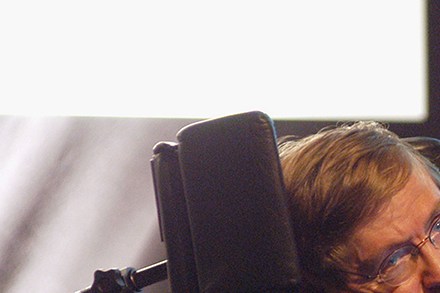
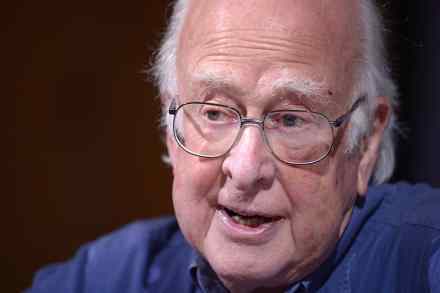
Why Stephen Hawking will forever embody the triumph of mind over matter
From our UK edition
Was Stephen Hawking a world-historical scientific genius? No. Was he nonetheless a scrupulous and collegiate collaborator with others? Also no. But was he basically a nice guy? Well that, as so often, depends on who you ask. His sister Mary is quoted here calling him ‘one of the most self-centred people I’ve ever met’. Yet his friend Kip Thorne, a Nobel-winning physicist, remembered him very fondly. Hawking had a complicated love life, to be sure, but then he had a complicated life in all sorts of ways. This superb biography, authorised by the family, will be the definitive account of it. Graham Farmelo is himself a Cambridge physicist, and his explanations of the scientific issues with which Hawking and his contemporaries grappled are beautifully clear.