Brian epstein

Persistent gossip about Brian Epstein’s death risks defining his life

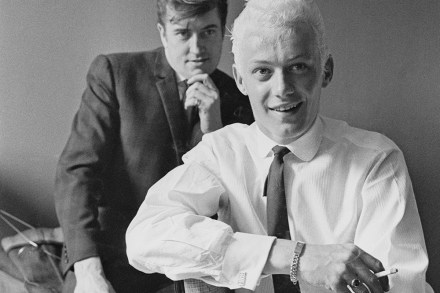
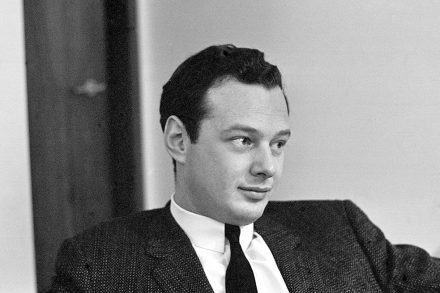
We know the facts about Brian Epstein’s death. The Beatles’ manager died in bed at his Belgravia home on August 27, 1967, six years after he struck gold in a Liverpool cellar, a month before his contract to manage the Beatles was due to end and four weeks after homosexual acts between men were partly decriminalized. At the time of his death, the 32-year-old Epstein was addicted, adrift and depressed – not least as a result of a long effort to hide his sexuality and the low-level anti-Semitism he encountered everywhere. One moment he was manically active, the next he was in despair, according to those around him. He had overdosed in the past and had been treated at a psychiatric hospital. On the day he died, his blood contained alcohol, antidepressants and barbiturates.
brian epstein

A Beatles show without the love

From our UK edition

Please Please Me is a play about Brian Epstein whose brief and troubled life remains relatively unknown. Tom Wright’s linear script opens with the teenage Epstein enjoying secret affairs with teddy boys while working at his dad’s record shop on Merseyside. When he spotted the Beatles at the Cavern, he was smitten by their homoerotic energy rather than their music or their potential for making tons of cash. He put them in suits to soften their image while encouraging their talent for witty backchat. ‘A little pinch of naughty but family friendly,’ was his branding message. But he lacked artistic vision and he cut a lousy deal to sell plastic Beatles dolls which cost the band a fortune and angered Paul McCartney.

The weirdness of the pre-Beatles pop world

From our UK edition

Quizzed about pop by the teen music magazine Smash Hits in 1987, the year of her third consecutive electoral victory, Margaret Thatcher singled out ‘Telstar’, a chart-topper from a quarter of a century earlier, for special praise. She pronounced it ‘a lovely song… I absolutely loved that. The Tornados, yes.’ As a whizzily futuristic sounding instrumental ode to a transatlantic communications satellite, and only the second British recording to top the American Billboard charts, its charm for Thatcher was perhaps as much political as musical. That it was the work of an independent producer might also have appealed to her love of freewheeling, self-reliant private enterprise.

From Liverpool’s Cavern to the world stage: how the Beatles became a global phenomenon

From our UK edition

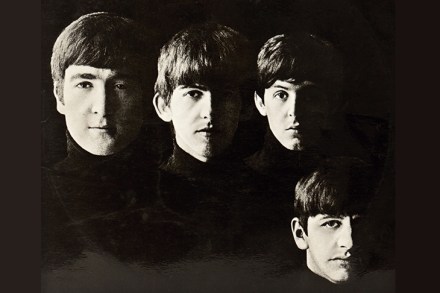
When the Beatles’ first authorised biographer, Hunter Davies, clinched the deal in 1967, his publisher remarked that ‘we know everything we could possibly know about the Beatles and they’ll disappear soon’. In that same year, the philosopher Bryan Magee adopted an incredulous tone in the Listener: ‘Does anyone seriously believe that Beatles music will be ... part of daily life all over the world in the 2000s?’ But here in the recently released statistics for the Top Ten global recording artists of 2019, among the Taylor Swifts and the Ed Sheerans, 50 years after they broke up — let me introduce you to the band you’ve known for all these years.